Onuia Review

About Onuia
Onuia is a dropshipping brand based in the Netherlands that showed up in 2025. They sell towels through their own website at onuia.com, marketing them as Egyptian cotton.
Here’s what that actually means: Onuia doesn’t manufacture anything. They source cotton towels from factories in China, put their branding on them, and sell through their online store. The products ship from China to your door.
The brand has no history before 2025, no physical retail presence, and no industry certifications.
The Fake Amazon Listing
This is important. If you search for “Onuia” on Amazon, you’ll find a listing selling towels under the Onuia name. That listing is not run by the real Onuia company. It’s a separate Chinese seller who has taken the Onuia brand name and is selling their own product under it.
The real Onuia (the Netherlands-based company) sells only through onuia.com. The Amazon listing is a different supplier, different product, different company. If you buy “Onuia” towels on Amazon, you’re getting something from a random Chinese seller with no connection to the actual brand.
This kind of brand hijacking happens constantly on Amazon. A small brand gets some traction, and a Chinese seller creates a listing using the same name to capture that search traffic. Buyers assume it’s the same product. It usually isn’t.
The Egyptian Cotton Claim
Let me be straightforward about this. Onuia labels their towels as Egyptian cotton. They’re not. The towels are 100% cotton sourced from Chinese factories. That’s it. Regular cotton, not Egyptian.
There’s no Pyramid Mark. No supply chain documentation. No connection to Egypt at all. The cotton comes from China, gets labeled “Egyptian cotton,” and sells at a markup because of those two words on the packaging.
“100% cotton” and “Egyptian cotton” are completely different things. Egyptian cotton refers to extra-long staple fibers grown specifically in the Nile Delta. What Onuia sells is standard cotton from China. It’s not a question of missing certification or unverified claims. The cotton is simply not Egyptian.
This is a common dropshipping play. Source a generic product from a Chinese supplier, slap “Egyptian cotton” on the label, and charge more than the product is worth without it.
What You Actually Get
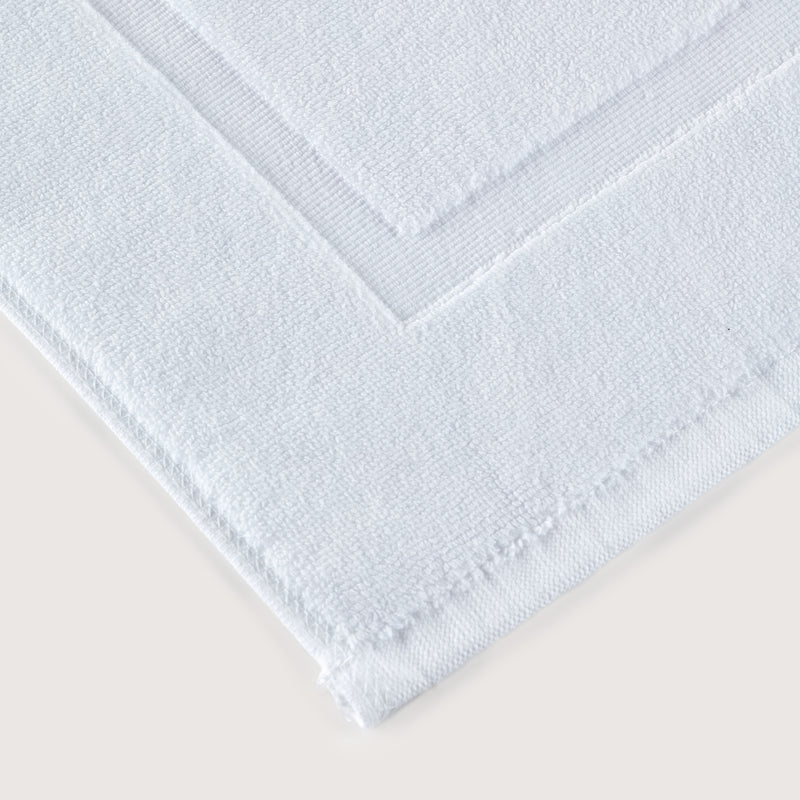
The towels themselves are fine. They’re cotton, they’re soft enough when new, and they absorb water. For basic everyday use, they work.
After regular washing over a few weeks, the softness holds up reasonably well. Some pilling shows up on the edges, which is typical for zero-twist towels regardless of where the cotton comes from.
The shedding is noticeable. First five or six washes produced quite a bit of lint. It calms down after that, but it’s worth mentioning if you plan to use them right away.
Absorbency is average. Nothing special, nothing terrible.
GSM: Lower Than Stated
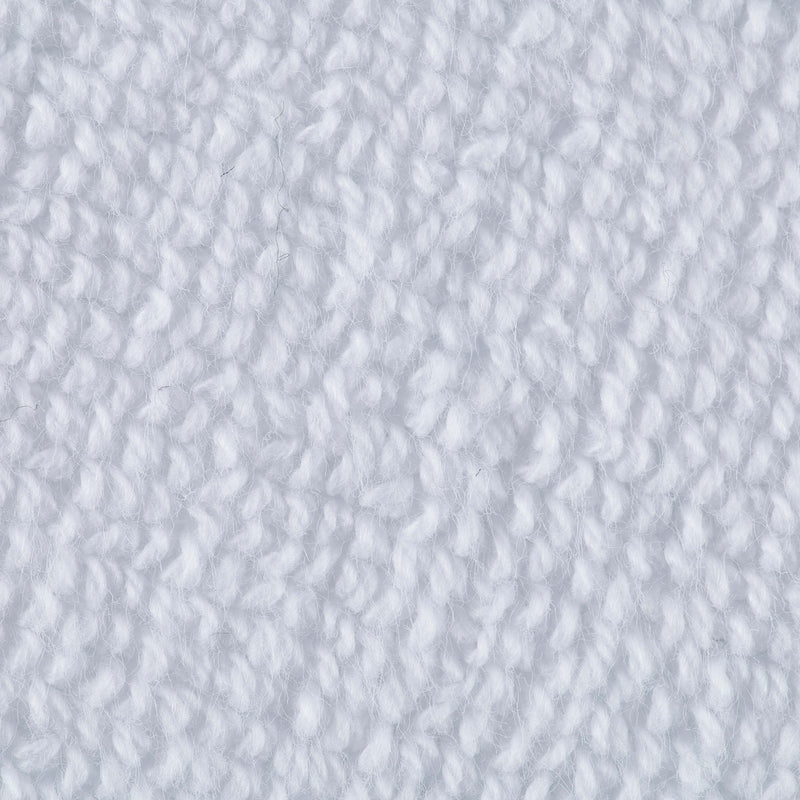
Onuia advertises 600 GSM. Based on buyer reports and our own checks, some colors come in closer to 550 to 570 GSM. That’s still a mid-weight towel, but it’s not what’s on the label.
This kind of spec inflation is another common dropshipping trait. The supplier provides a spec sheet with optimistic numbers, and the brand passes them along without independent verification.
The Dropshipping Reality
If you’re unfamiliar with the model: Onuia likely doesn’t touch the products at all. They’re registered in the Netherlands, but when a customer places an order, it gets forwarded to a Chinese supplier (or handled through a fulfillment app), and the factory ships it directly. The brand exists primarily as a marketing layer between the factory and the buyer.
This means:
- Returns can be complicated (shipping back to China is expensive)
- Customer service may be limited or slow
- Product consistency can vary between batches since quality control is at the factory level
- The brand could disappear tomorrow with no impact on the factory
None of this makes Onuia a scam. The towels are real, and plenty of people are satisfied with them. But you should know what kind of operation you’re buying from, especially when they’re charging a premium based on an unverified Egyptian cotton claim.
How Onuia Compares
| Feature | Onuia | Certified Egyptian Cotton | Standard Cotton Towels |
|---|---|---|---|
| Pyramid Mark | No | Yes | No |
| Verified origin | No (Netherlands company, ships from China) | Yes (Nile Delta) | Varies |
| Initial Softness | Good | Excellent | Average |
| After 30 Washes | Decent | Excellent | Below average |
| Price (4-piece set) | ~$45 to $60 | ~$80 to $120 | ~$20 to $40 |
| Brand track record | New (2025) | Established | Varies |
Who Should Buy Onuia?
These towels are okay if:
- You want a basic cotton towel and don’t care about the Egyptian cotton label
- You’re comfortable buying from a dropshipping brand
- Budget is a factor and you understand what you’re getting
Skip these if:
- You actually want Egyptian cotton (this isn’t it)
- You want to buy from an established brand with a track record
- Easy returns matter to you
- You’re paying extra specifically because of the “Egyptian cotton” label
Is Onuia Legit?
Proceed with CautionOnuia is a dropshipping company based in the Netherlands that launched in 2025. Their towels are 100% cotton sourced from Chinese factories, not Egyptian cotton. The Egyptian cotton label is false. There is no Pyramid Mark, no connection to Egypt, and no evidence of extra-long staple fibers. Additionally, there is a fake Onuia listing on Amazon operated by a separate Chinese seller with no connection to the real Onuia brand. Buyers searching for Onuia on Amazon may end up purchasing a counterfeit product from a completely different supplier.
- Founded
- 2025
What We Liked
- Soft out of the packaging, decent for everyday use
- 100% cotton (not a cotton-poly blend)
- Priced below certified Egyptian cotton brands
- Available in several colors
What We Didn't Like
- Not Egyptian cotton, just regular Chinese cotton with a misleading label
- Dropshipping operation based in the Netherlands, launched 2025 with no brand history
- Products sourced from China, delivery times can be long
- Fake Onuia listing exists on Amazon from a separate Chinese seller
- Noticeable shedding in the first several washes
- GSM runs lower than advertised in some colors
Frequently Asked Questions
Is Onuia Egyptian cotton real?
No. Onuia towels are 100% cotton, but the cotton is not Egyptian. It's standard cotton sourced from Chinese factories. There is no Pyramid Mark, no supply chain connection to Egypt, and no evidence of Egyptian origin. The Egyptian cotton label is marketing, not a description of the actual product.
Is Onuia a dropshipping store?
Yes. Onuia is a Netherlands-based dropshipping company that launched in 2025. They don't manufacture anything. They source cotton towels from Chinese factories and sell them through their own website at onuia.com. Be aware that there is also a fake Onuia listing on Amazon run by a separate Chinese seller that has no connection to the real brand.
Are Onuia towels worth it?
If you just want a soft cotton towel at a mid-range price and don't care about the Egyptian cotton label, they're fine. The cotton is real cotton and the towels work. But don't pay a premium because of the Egyptian cotton marketing. You can find similar quality cotton towels from established brands at comparable prices.
Do Onuia towels shed?
Yes, quite a bit in the first several washes. This is common with the zero-twist construction they use. Wash before first use and expect lint for the first five or so cycles. It does settle down eventually.
Is Onuia on Amazon real?
No. The Onuia listing on Amazon is a fake listing run by a separate Chinese seller. It has no connection to the real Onuia company, which is based in the Netherlands and sells only through onuia.com. If you buy Onuia towels on Amazon, you're getting a different product from a different company.
Where do Onuia towels ship from?
China. The real Onuia is based in the Netherlands but sources and ships products from Chinese factories. Delivery times can be longer than domestic brands, and returns can be complicated.