Parachute Review
About Parachute
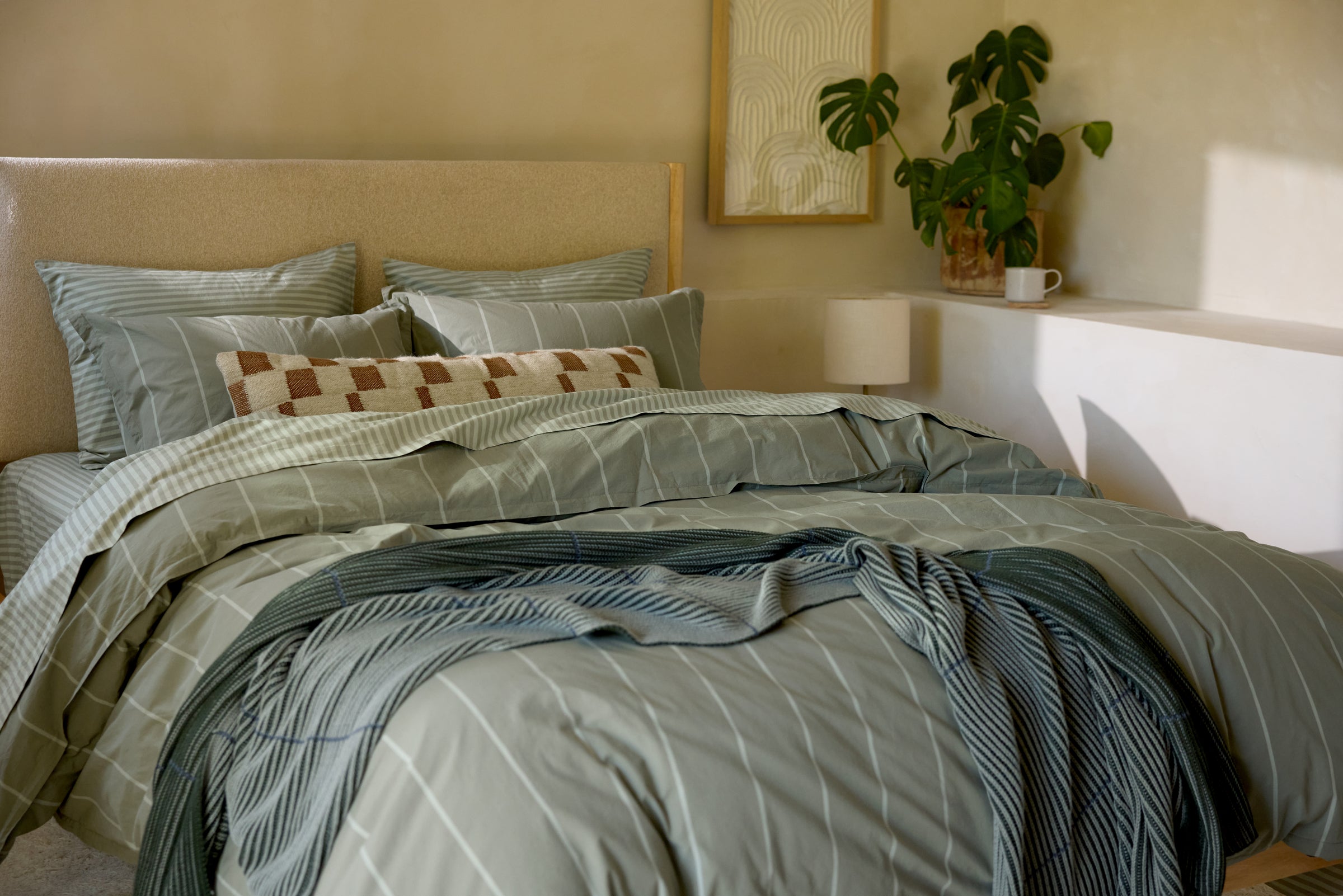
Parachute launched in 2014 when founder Ariel Kaye spotted something that frustrated a lot of us: buying quality bedding online was unnecessarily complicated. Based in Los Angeles, the brand started as a direct-to-consumer operation selling sheets, and it’s since expanded into towels, robes, rugs, mattresses, and home decor. They now have retail stores across the US too.
The brand positions itself as premium but accessible. Not quite luxury hotel pricing, but definitely above the Target and Amazon tier. Their percale and sateen sheet sets are the core of the line, both made from what they call 100% long-staple Egyptian cotton and manufactured at a family-owned factory in Portugal.
What I find interesting about Parachute is that they lean heavily into aesthetics and sustainability messaging. They’re Climate Neutral certified, their products carry OEKO-TEX Standard 100 certification, and their Instagram is basically a mood board for minimalist bedrooms. But when you dig into the specifics of their cotton sourcing, things get a little less clear.
The Egyptian Cotton Question
This is where it gets tricky. Parachute markets their percale sheets as 100% long-staple Egyptian cotton. And honestly, the sheets do feel like quality cotton. The percale has that satisfying crispness that softens over time, exactly what you’d expect from good Egyptian cotton.
But here’s what we couldn’t find: a Cotton Egypt Association Pyramid Mark. That’s the gold standard for verifying authentic Egyptian cotton. It means the cotton has been DNA tested and traced from field to finished product. Parachute doesn’t have it.
Does that mean their cotton isn’t Egyptian? Not necessarily. Plenty of brands use real Egyptian cotton without going through the CEA certification process. But it does mean there’s no independent body confirming the claim. And in an industry where “Egyptian cotton” gets slapped on labels without much accountability (remember the Welspun scandal?), verification matters.
What You Actually Get
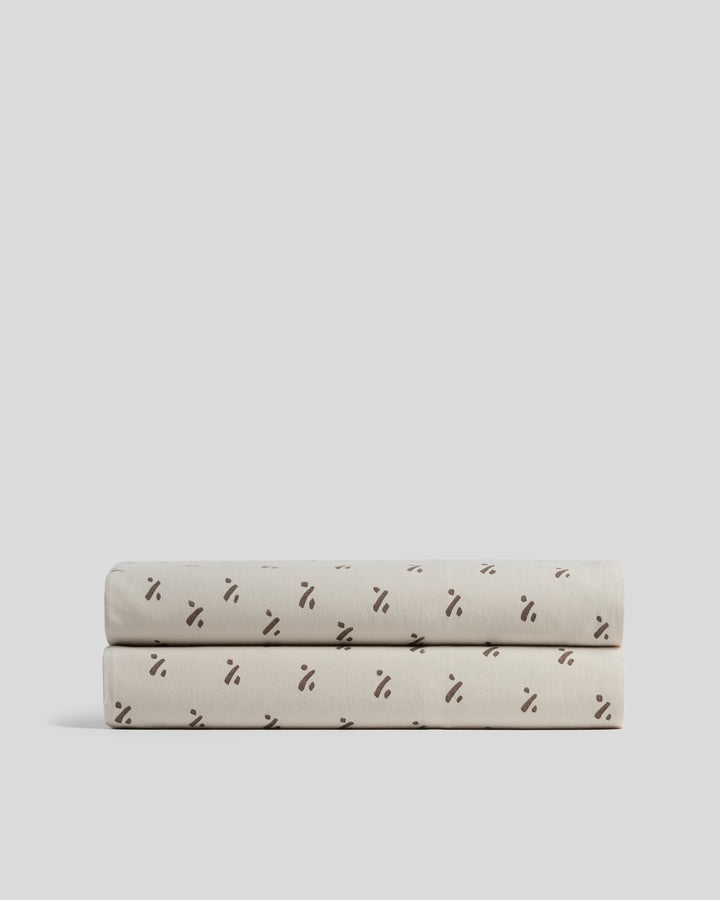
Parachute’s percale sheet set for a queen runs $149 without a top sheet, or $229 with one. That’s mid-range for DTC bedding brands. The king/cal king set is $299 with a top sheet.
The percale is lightweight, breathable, and has a matte finish. It starts a bit stiff (totally normal for percale) and softens noticeably after three or four washes. If you’re a hot sleeper, this is the weave to pick. They also offer sateen for those who prefer something smoother and warmer.
Manufacturing happens in Portugal, which is a genuine plus. Portuguese textile mills have centuries of expertise, and the OEKO-TEX certification confirms the sheets are free from harmful chemicals. The pillowcases have a signature back envelope closure, which is a nice touch that keeps the pillow from peeking out.
Color options lean neutral (think whites, creams, grays, and the occasional muted sage or blush), which fits the brand’s whole aesthetic. If you want bold colors, look elsewhere.
What Buyers Say
This is where things get complicated. On Parachute’s own website, they showcase over 6,000 five-star reviews. On Trustpilot, the story is very different: 1.6 out of 5 stars across 842 reviews.
The praise is consistent. People love how the percale feels, especially after it’s been washed a few times. The breathability gets high marks from hot sleepers. And the unboxing experience (linen pouch, clean packaging) makes it feel special.
The complaints are also consistent, and they’re concerning. Multiple buyers report sheets developing holes or thinning significantly within 12 to 18 months of regular use. Linen sheets seem especially prone to this. Customer service gets poor marks for slow responses, no phone support, and what buyers describe as a runaround when trying to file warranty claims. The BBB gave Parachute a D- rating after the company failed to respond to 7 complaints.
That gap between the website reviews and third-party reviews is something to keep in mind. We always recommend checking Trustpilot, BBB, and Reddit in addition to a brand’s own site.
How Parachute Compares
| Feature | Parachute | Pure Parima | Peacock Alley |
|---|---|---|---|
| Pyramid Mark Certified | No | Yes | Yes (select products) |
| OEKO-TEX Certified | Yes | Yes | Yes |
| Queen Sheet Set Price | ~$149-$229 | ~$180 | ~$249 |
| Made In | Portugal | Egypt | India/Portugal |
| Trustpilot Rating | 1.6/5 | N/A | Limited reviews |
| Return Window | 60 days | 30 days | 30 days |
Who Should Buy Parachute?
This brand is for you if:
- You want crisp, cool percale sheets and you sleep warm
- The minimalist aesthetic and neutral color palette appeal to you
- Sustainability certifications (Climate Neutral, OEKO-TEX) matter to your buying decisions
- You value a generous 60-day return window
Skip this if:
- You want independently verified Egyptian cotton (get Pure Parima or Peacock Alley’s Nile line instead)
- Durability is your top priority and you expect sheets to last 3+ years
- You need responsive customer service if something goes wrong
- You’re looking for bold colors or patterns
Is Parachute Legit?
Proceed with CautionParachute claims to use 100% long-staple Egyptian cotton for their percale sheets, but they do not hold the Cotton Egypt Association Pyramid Mark. Without this certification, we can't independently verify the origin or purity of the cotton. They do carry OEKO-TEX Standard 100, which confirms the sheets are free from harmful substances. The cotton quality feels genuine, but 'feels genuine' isn't the same as 'verified genuine.'
- Founded
- 2014
- Certifications
- OEKO-TEX Standard 100, Climate Neutral Certified
What We Liked
- Crisp, cool percale feel that hot sleepers consistently love
- Made in Portugal at a family-owned factory with OEKO-TEX Standard 100 certification
- Long-staple Egyptian cotton that genuinely softens with each wash
- 60-day return window, which is more generous than most competitors
- Climate Neutral certified, showing real commitment to sustainability
What We Didn't Like
- No Cotton Egypt Association Pyramid Mark, so Egyptian cotton claims aren't independently verified
- Significant durability complaints, with sheets thinning and developing holes within 1-2 years
- Trustpilot rating of 1.6/5 with 842 reviews, and a D- BBB rating
- Customer service is email-only and frequently unresponsive to complaints
Frequently Asked Questions
Is Parachute Egyptian cotton real?
Parachute says their percale sheets use 100% long-staple Egyptian cotton. However, they don't hold the Cotton Egypt Association Pyramid Mark, which is the only internationally recognized certification for authentic Egyptian cotton. Without it, there's no independent verification. The cotton does feel high quality, but we can't confirm origin the way we can with Pyramid Mark holders.
Are Parachute sheets worth the price?
At $149 for a queen percale set (without top sheet), you're paying a premium. The sheets feel great and get softer with washing. But the durability complaints are hard to ignore. If your sheets thin out after a year, that $149 becomes a lot less reasonable. For the same price range, Pure Parima gives you Pyramid Mark certified Egyptian cotton.
Why does Parachute have bad Trustpilot reviews?
Parachute has a 1.6 out of 5 on Trustpilot based on 842 reviews. The main complaints are durability (sheets developing holes within a year or two), poor customer service response times, and difficulty processing returns. Their own website reviews are much more positive, which creates an odd gap worth noting.
How do Parachute sheets compare to Pure Parima?
Pure Parima holds the Cotton Egypt Association Pyramid Mark, which Parachute does not. Both use long-staple Egyptian cotton and both are OEKO-TEX certified. Pure Parima queen sets start around $180, while Parachute percale queen sets are $149. The key difference is verification. Pure Parima can prove their cotton is authentic Egyptian cotton. Parachute asks you to trust their word.
Where are Parachute sheets made?
Parachute sheets are made at a family-owned factory in northern Portugal. Portugal has a long textile tradition and is known for high-quality cotton manufacturing. The cotton itself is sourced as Egyptian cotton, though the exact growing region isn't specified on their site.