How to Care for Egyptian Cotton Sheets
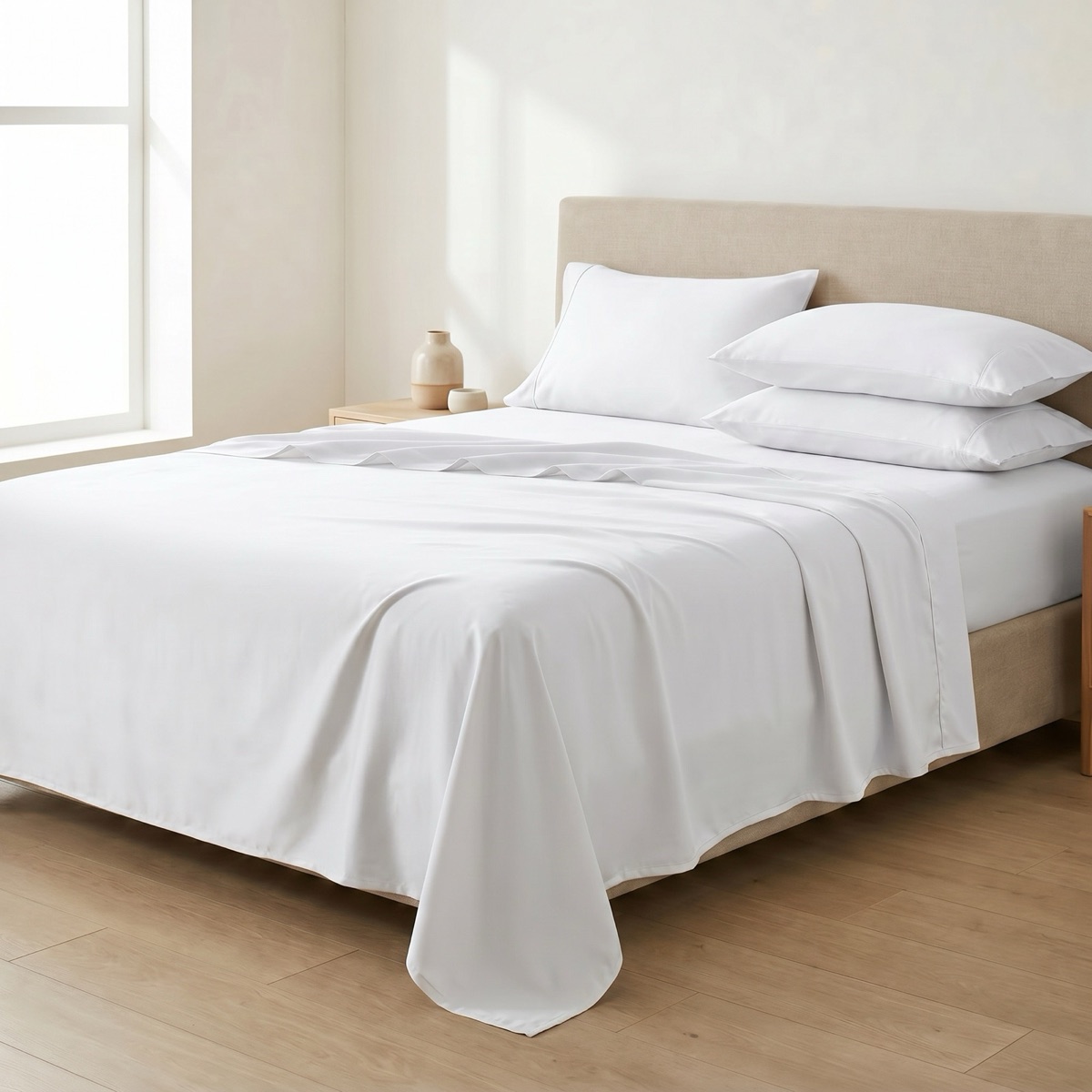
Kemet Cotton Egyptian Sateen Sheet Set
100% extra-long staple Giza cotton from Egypt's Nile Delta, woven into a smooth 600 thread count sateen. Ten colors, all standard sizes.
- 600 thread count sateen weave
- Extra-long staple Giza cotton
- Deep 16-inch pockets
- 30-day money-back guarantee
Sets from $149.95
Shop Kemet Sheets →The Good News First
Here’s something I genuinely love about Egyptian cotton sheets: they’re not fussy. I know they sound like they should be (anything with “Egyptian” in the name feels like it needs special treatment), but real extra-long staple cotton is actually more durable than regular cotton, not less. You don’t need a PhD in laundry science. You just need to avoid a few common mistakes.
I’ve been washing the same set of Pure Parima sheets weekly for over a year now, and they’re softer today than when I bought them. That’s the whole appeal of genuine Egyptian cotton. It improves with use.
How to Wash Egyptian Cotton Sheets
Water Temperature
Wash at 40C (104F) or below. I know hot water feels like the “cleaner” option (especially if you have kids or pets), but it’s rough on the fibers and causes more shrinkage over time. Cool or warm water gets sheets perfectly clean with modern detergent.
The one exception: if someone in your household is sick, a single hot wash is fine. Egyptian cotton can handle the occasional high-temperature cycle. It’s the repeated hot washing that does damage.
Detergent
Use about half the amount you think you need. Seriously. Most of us use way too much detergent, and the excess builds up in the fibers over time. That buildup is actually the number one reason people complain about sheets feeling stiff or scratchy after a few months.
A mild liquid detergent works best. Avoid anything with added dyes or heavy fragrances, which leave residue. I use a free-and-clear formula and my sheets smell perfectly fresh.
What to Skip
Fabric softener. I know this sounds counterintuitive, but fabric softener coats the fibers with a waxy layer that reduces breathability and absorbency. Egyptian cotton gets softer naturally with washing. Fabric softener actually works against that process. If you want something extra, add a quarter cup of white vinegar to the rinse cycle instead. It softens without the residue.
Chlorine bleach. It breaks down the extra-long staple fibers that make Egyptian cotton worth the price. For whitening, oxygen-based bleach (OxiClean, Seventh Generation, or similar) is safe and effective. Half a cup of baking soda in the wash also works surprisingly well.
Dryer sheets. Same problem as fabric softener. They leave a coating on the fibers that reduces breathability and can make sheets feel slick rather than soft.
Washing Cycle
Use a gentle or normal cycle. Egyptian cotton doesn’t need the delicate cycle (it’s tougher than that), but avoid heavy-duty or sanitize cycles, which combine aggressive agitation with high heat.
One tip that’s made a real difference for me: wash sheets separately from towels. Towel lint transfers to sheet fabric, and the different textures create uneven friction in the drum. I wash all my sheets together in their own load once a week.
How to Dry Egyptian Cotton Sheets
The Best Option: Low Heat
Tumble dry on low heat and remove the sheets while they’re still slightly damp. This is the single most important care step. High heat weakens cotton fibers (all cotton, not just Egyptian) and causes shrinkage that accumulates wash after wash.
I pull mine out about 5 minutes before the cycle finishes and put them straight on the bed. They finish drying in place and come out smooth without any ironing.
The Gentlest Option: Line Drying
If you have outdoor space (or even an indoor drying rack), line drying is ideal. It’s the gentlest method, it’s free, and your sheets will smell incredible if they dry outside. In summer, I line dry almost exclusively.
A quick 5-minute tumble on low heat after line drying takes out any stiffness if you find air-dried sheets too crisp.
What to Avoid
High heat in the dryer. This is the fastest way to shorten the life of any cotton sheet, Egyptian or otherwise. Your sheets will still feel okay for a while, but you’ll notice pilling and thinning much sooner.
Overdrying. Leaving sheets in a hot dryer long after they’re dry bakes out moisture and makes them feel brittle. Set a timer if your dryer doesn’t have a moisture sensor.
Ironing (If You Want To)
You don’t have to iron Egyptian cotton sheets. I almost never do (life is too short, and I have two kids who are going to wreck the bed by 8pm anyway). But if you like crisp, hotel-style sheets, here’s how:
- Iron while sheets are still slightly damp
- Use medium heat (cotton setting)
- Iron on the reverse side to protect the finish
- For sateen weave, iron in one direction to maintain the sheen
Percale weave sheets benefit more from ironing than sateen. Sateen naturally has a smooth drape that looks polished without pressing.
Stain Treatment
Act fast. Egyptian cotton’s absorbency (which is wonderful for comfort) means stains set quickly too.
For most stains: Blot (don’t rub), apply a small amount of liquid detergent directly to the stain, let it sit for 15 to 30 minutes, then wash as normal.
For blood: Cold water immediately. Hot water sets protein stains permanently. Hydrogen peroxide (3%) works well on white sheets. For colored sheets, enzyme-based stain remover is safer.
For coffee or wine: Blot, then soak in cold water with oxygen-based bleach for an hour before washing. I’ve rescued a white sateen pillowcase from a full coffee spill this way (don’t ask how it happened).
Storage
When you’re rotating sheet sets between seasons, store the clean, fully dry sheets in a cool, dry place. A linen closet is perfect. Avoid plastic storage bins or vacuum bags for long-term storage, as they trap moisture and can cause yellowing.
A breathable cotton storage bag or even a clean pillowcase works well for keeping dust off stored sheets. I fold mine and tuck them inside one of their own pillowcases, which also makes the linen closet much easier to navigate.
How Often to Wash
Once a week is my recommendation for most households. Here’s a rough guide:
| Situation | Wash Frequency |
|---|---|
| Regular use, no pets | Every 7 days |
| Pets on the bed | Every 4 to 5 days |
| Hot sleepers or summer months | Every 5 to 7 days |
| Allergy sufferers | Every 5 to 7 days |
| Guest bedroom (not in use) | Before and after each use |
Egyptian cotton handles frequent washing better than regular cotton. Those extra-long fibers resist pilling and thinning, so don’t be afraid of the washing machine.
When to Replace Your Sheets
Good Egyptian cotton sheets should last 5 to 8 years with proper care. Some people get even longer. Signs it’s time to replace:
- Visible thinning, especially in areas of friction (where you sleep, where your feet go)
- Pilling that doesn’t reduce after washing
- Loss of elasticity in fitted sheet corners
- Persistent staining or graying that oxygen bleach can’t fix
- They just don’t feel as comfortable anymore (your sheets, your call)
If your “Egyptian cotton” sheets are pilling heavily after 6 months, that’s a sign the cotton may not be genuine extra-long staple. Real ELS cotton resists pilling far longer than standard cotton.
The Short Version
Wash cool, use less detergent than you think, skip the fabric softener, dry on low heat, and pull them out while slightly damp. That’s honestly 90% of it. Egyptian cotton rewards you for treating it gently, but it doesn’t punish you for living a normal life with it. These are sheets, not museum pieces.
Get our reviews first on Google
Add Cotton With Love as a preferred source and Google will show you more of our towel and sheet reviews.
Add Cotton With Love as a preferred source on GoogleAdd us as a preferred source on Google
See more of our towel and sheet reviews in your Google results.
Frequently Asked Questions
How often should you wash Egyptian cotton sheets?
Once a week is the sweet spot for most people. If you have allergies or pets that sleep on the bed, twice a week is better. Egyptian cotton handles frequent washing well, and it actually gets softer over time, so don't worry about wearing them out.
Can you use bleach on Egyptian cotton sheets?
Skip the chlorine bleach entirely. It breaks down the long fibers that make Egyptian cotton special in the first place. If you need to whiten your sheets, use oxygen-based bleach (like OxiClean) or add half a cup of baking soda to the wash cycle. Both are effective without damaging the fibers.
Should you tumble dry Egyptian cotton sheets?
You can, but use a low heat setting and remove them while they're still slightly damp. High heat weakens the fibers and causes unnecessary shrinkage. If you have the space, line drying is the gentlest option. Your sheets will last noticeably longer either way if you avoid high heat.
Why do my Egyptian cotton sheets feel rough after washing?
This usually means too much detergent, water that's too hot, or overdrying. Try cutting your detergent in half, washing at 40C or below, and pulling the sheets out of the dryer a few minutes early. Fabric softener buildup can also cause stiffness, so consider skipping it entirely.
Do Egyptian cotton sheets really get softer over time?
Yes, this is one of the genuine advantages of extra-long staple cotton. The long fibers soften with washing as the remaining short fiber ends are smoothed away. Most people notice a significant difference after 3 to 5 washes. If your sheets aren't getting softer, the cotton may not be genuine Egyptian cotton.