Percale vs Sateen Sheets: Which Weave Is Right for You?

Two Weaves, Totally Different Vibes
If you’ve ever bought sheets online and thought, “these feel nothing like what I expected,” the weave was probably the issue. Thread count and cotton type get all the attention, but weave is what determines how your sheets actually feel against your skin every night.
Percale and sateen are the two main weaves you’ll see for quality cotton sheets. They use the same fiber (sometimes the exact same cotton) but produce completely different sleeping experiences. I’ve had both on my bed for years (I rotate seasonally, which my husband thinks is ridiculous but I stand by), and the difference is night-and-day obvious.
Let me walk you through what each one actually feels like, so you can pick the right one without the guesswork.
How the Weaves Work
Percale: The Classic Crisp Sheet
Percale is a simple one-over, one-under weave pattern. Each horizontal thread passes over one vertical thread, then under the next. It’s the most basic weave structure, and that simplicity is the whole point.
The result is a fabric with a matte finish, a crisp hand feel, and an open structure that breathes really well. If you’ve ever slept in a nice hotel and loved that cool, clean sheet feel, that was almost certainly percale.
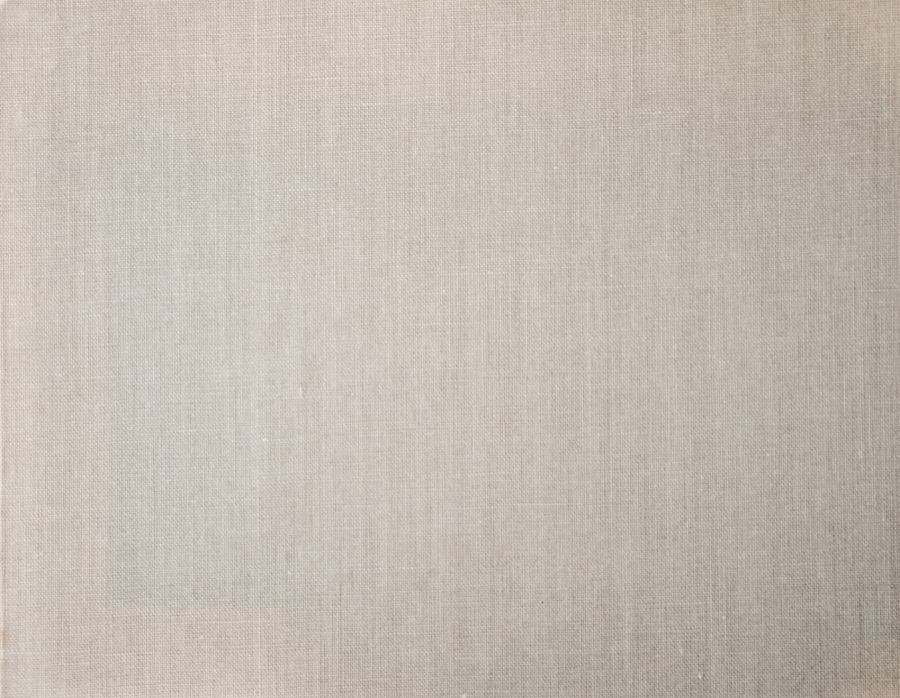
Fresh percale can feel slightly stiff (some people even call it “papery” in the first few uses). Don’t let that put you off. After 3 to 5 washes, it softens up beautifully while keeping that crispness. It’s one of those rare things that genuinely improves with time.
Sateen: The Smooth, Silky One
Sateen uses a four-over, one-under weave (or sometimes three-over, one-under). That means more thread is exposed on the surface of the fabric, which creates a smoother, shinier face.
The result is a fabric with a subtle sheen, a buttery smooth hand feel, and a heavier drape that hugs your body. Sateen feels warmer and more enveloping. If percale is like slipping between two cool surfaces, sateen is like being wrapped in something soft.

The trade-off? That exposed thread surface means sateen is slightly more prone to pilling and snagging over time. It’s not fragile, but it does require a bit more care than percale.
The Comparison You Actually Need
| Feature | ❄️ Percale | ✨ Sateen |
|---|---|---|
| Feel | Crisp, cool, matte | Smooth, silky, slight sheen |
| Temperature | Cooler, more breathable | Warmer, retains more heat |
| Weight | Lighter | Heavier, more drape |
| Wrinkle resistance | Wrinkles more | Wrinkles less |
| Pilling resistance | Better long-term | More prone to pilling |
| Best thread count range | 200 to 400 TC | 300 to 600 TC |
| Break-in period | 3 to 5 washes to soften | Soft immediately |
| Look on the bed | Flat, tailored | Draped, luxurious |
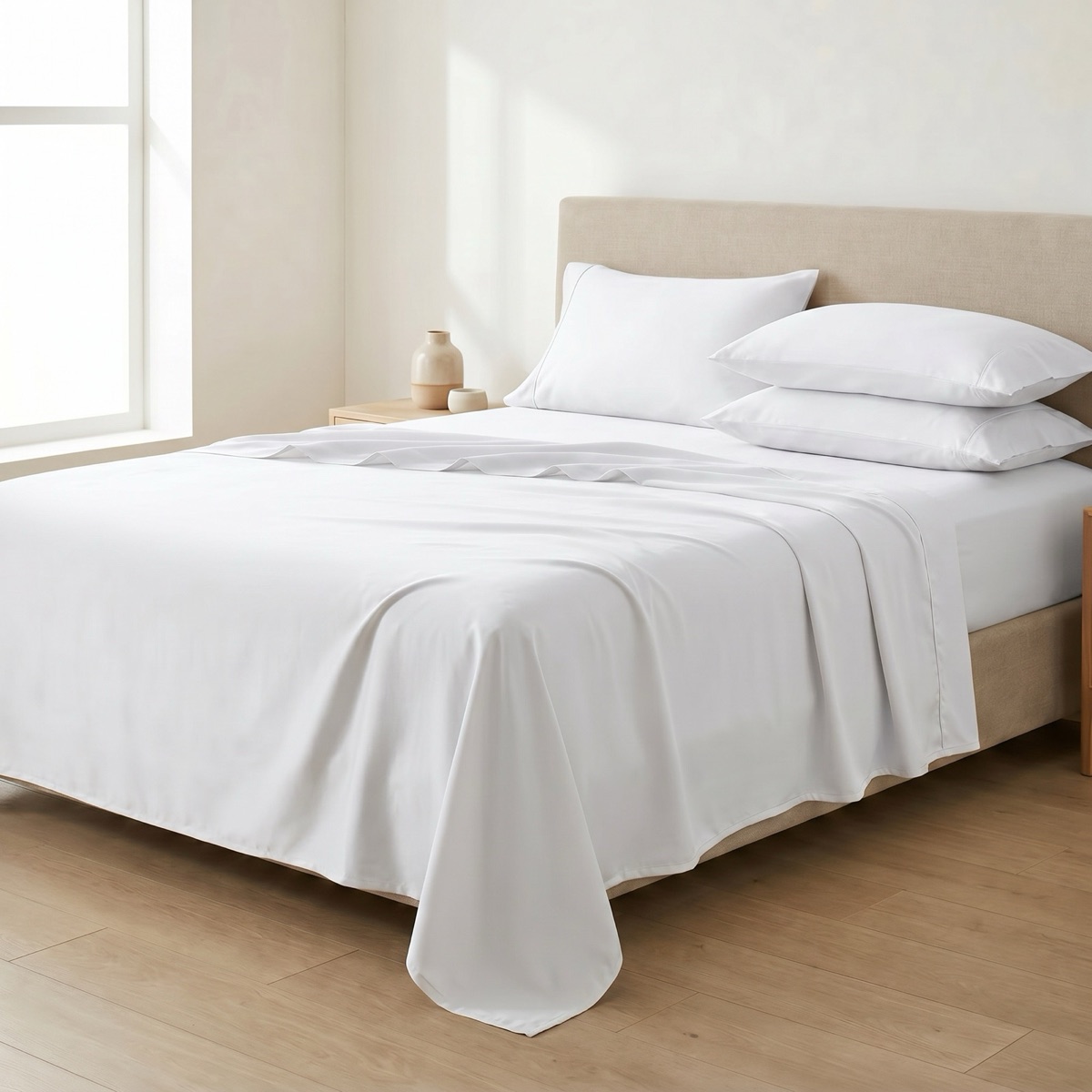
Kemet Cotton Egyptian Sateen Sheet Set
If sateen is your pick, this is the set we'd point you to: 600 thread count Egyptian sateen in extra-long staple Giza cotton, with that smooth, buttery finish sateen fans love.
- 600 thread count sateen weave
- Extra-long staple Giza cotton
- Deep 16-inch pockets
- 30-day money-back guarantee
Sets from $149.95
Shop Kemet Sheets →Who Should Choose Percale
Hot sleepers. If you kick covers off at night or flip your pillow to the cool side, percale is your weave. The open structure lets body heat escape instead of trapping it. I sleep warm (especially in the summer months here in North Carolina), and switching to percale in May is one of my favorite seasonal rituals.
Warm climates. If you’re in Texas, Florida, or anywhere that stays warm most of the year, percale will serve you better year-round.
People who like a “clean” bed feel. Percale has that freshly-made bed quality. Crisp, smooth, a little bit taut. If hotel sheets are your reference point for great sheets, this is what you want.

Anyone who hates ironing. Wait, actually, no. Percale wrinkles more than sateen. If wrinkles bother you, this might be a con. Personally, I think slightly rumpled percale looks lived-in and lovely, but I know not everyone agrees.
Percale Picks Worth Looking At
- Silk & Snow Egyptian Cotton Percale (400TC, $159 to $199). CEA certified and genuinely crisp.
- Brooklinen Classic Percale (270TC, $159 to $199). Reliable and widely available.
- Quince European Linen Percale Blend (for a more textured feel, $90 to $110).
- The Company Store Company Cotton Percale (300TC, $79 to $129). Solid budget option.
Who Should Choose Sateen
Cool sleepers. If you’re always cold in bed or you pile on blankets even in spring, sateen’s warmth retention will feel cozy rather than stifling.
People who want a luxurious look. Sateen catches light in a way that makes your bed look magazine-ready. That subtle sheen is genuinely pretty (and photographs beautifully, if that matters to you).
Those who can’t stand stiff sheets. Sateen is soft right out of the package. No break-in period needed. If you’re impatient about that fresh percale crispness, sateen skips that phase entirely.
Light sleepers bothered by texture. Sateen’s smooth surface has almost no friction against skin. Some people find percale’s slight texture distracting, especially on pillowcases against their face.
Sateen Picks Worth Looking At
- 🏆 Our #1 pick: Kemet Cotton Egyptian Sateen (600TC, from $149.95). Extra-long staple Giza cotton with exactly the buttery finish and heavy drape this guide describes, at a price the legacy brands don’t touch. Full details in the featured box above.
- Pure Parima Egyptian Cotton Sateen (400TC, $169 to $249). CEA certified, beautiful drape, and the softness is immediately noticeable.
- Hale Bedding Egyptian Cotton Sateen (800TC, $199 to $299). Dense and smooth.
- Boll & Branch Signature Sateen (300TC, $238 to $298). Organic cotton, very well-finished.
- Parachute Sateen (available seasonally, $149 to $219). Nice weight and drape.
Which Weave for Which Sleeper
If you skimmed everything above (no judgment, I do it too), this is the table to screenshot.
| You are… | Pick | Why |
|---|---|---|
| A hot sleeper | Percale | Open weave lets heat out. The single biggest reason to choose it |
| Always cold in bed | Sateen | Denser weave and closer drape hold warmth without extra blankets |
| Someone who loves hotel sheets | Percale | That crisp, cool, freshly-made feel is percale almost every time |
| Someone who wants “soft” above all | Sateen | Smooth from the first night, no break-in period |
| Sensitive to texture on your face | Sateen | Almost no surface friction on pillowcases |
| Allergic to ironing | Sateen | Wrinkles noticeably less than percale |
| Hard on your sheets (kids, pets, restless) | Percale | Balanced weave resists pilling and snags better over years |
| Sharing a bed with someone who runs the opposite temperature | One of each | Percale fitted sheet, sateen flat sheet, and a duvet you can each fold back |
| In a warm climate year-round | Percale | Breathability matters more than drape when it’s 85°F in October |
| Chasing that magazine-bed look | Sateen | The subtle sheen photographs beautifully and drapes like a hotel suite |
Our Egyptian Cotton Sateen Pick
If sateen won the table for you, here’s the set I’d point you to (and the one in the featured box above). Kemet Cotton makes a 600 thread count sateen in extra-long staple Giza cotton from the Nile Delta, and it has exactly the buttery, heavy-drape feel this whole guide has been describing. Sets start around $150, which is well under what the legacy Egyptian cotton names charge for a comparable weave, and there’s a 30-day money-back guarantee if the sheen or weight isn’t what you hoped. One honest caveat: Kemet launched in 2025 and doesn’t yet carry the Cotton Egypt Association Pyramid Mark, so its Egyptian origin rests on the brand’s own (unusually specific) sourcing detail rather than a third-party stamp. If that stamp matters to you, Pure Parima’s sateen has it.
🏆 For verified Egyptian cotton sateen and percale sets, see: Best Egyptian Cotton Sheets of 2026 →
The Seasonal Rotation Trick
Here’s what I do (and what I recommend to anyone who asks): buy one set of each.
Percale goes on the bed from late April through September. Sateen goes on from October through March. You get the best of both worlds, and each set only gets about 6 months of wear per year, so they last significantly longer.
Is it extra? Maybe a little. But the difference in sleep comfort between a cool percale night in July and a warm sateen cocoon in January is genuinely worth it. Your sheets are touching your skin for 7 to 8 hours every single night. That’s worth getting right.
What About Egyptian Cotton Specifically?
Both weaves benefit enormously from better fiber. Egyptian cotton’s extra-long staple fibers produce smoother, finer yarn, which makes percale feel less rough and sateen feel more luminous.
If you’re investing in Egyptian cotton sheets, the weave choice becomes even more important because you’ll feel the differences more clearly. A 400TC Egyptian cotton percale feels distinctly crisper and cooler than a 400TC Egyptian cotton sateen at the same thread count, from the same fiber.
Our Egyptian cotton sheets buying guide covers which brands offer CEA-certified sheets in both weaves.
🏆 Upgrading the bathroom too? See: Best Egyptian Cotton Towels of 2026 →
The Bottom Line
There’s no wrong answer here, just the wrong weave for your preferences. If you take away one thing from this guide, let it be this: thread count and cotton type are important, but the weave is what you’ll actually feel every night. Get that right first, then worry about the rest.
Get our reviews first on Google
Add Cotton With Love as a preferred source and Google will show you more of our towel and sheet reviews.
Add Cotton With Love as a preferred source on GoogleAdd us as a preferred source on Google
See more of our towel and sheet reviews in your Google results.
Frequently Asked Questions
Are percale or sateen sheets cooler?
Percale is cooler. The one-over, one-under weave creates a more open fabric structure that lets air pass through easily. Sateen's tighter weave traps more body heat. If you sleep hot or live in a warm climate, percale is the better choice.
Do sateen sheets feel like silk?
Not exactly, but sateen has a smooth, slightly luminous surface that gives it a silky quality. It's closer to a soft, buttery feel than the slippery coolness of actual silk. If you like the idea of silk but want something machine washable and more durable, sateen is a good middle ground.
Which lasts longer, percale or sateen?
Percale generally has a slight edge in long-term durability because its balanced weave distributes stress more evenly across the fabric. Sateen can develop snags and pilling sooner because more thread is exposed on the surface. That said, high-quality sateen from a good brand will still last years.
Can you tell the difference between percale and sateen by looking at them?
Yes. Sateen has a visible sheen, almost like a very subtle satin finish. Percale has a matte, flat surface. Hold them up to light and sateen will reflect it while percale won't. The difference is obvious once you know what to look for.
Is percale or sateen better for winter?
Sateen is generally better for cooler months. Its denser weave retains more warmth and the fabric drapes closer to your body, creating a cozier feel. Percale's breathability, which is great in summer, can feel too cool in winter for some people.
What thread count should I buy in percale vs sateen?
Percale peaks around 200 to 400. Above that the weave gets dense and loses the crisp, airy feel that's the whole point. Sateen wants a bit more, 300 to 600, because the longer floats need more threads to feel smooth and stay durable. Anything advertised above 800 in either weave is usually a multi-ply counting trick, not better fabric.
Is Egyptian cotton sateen still too warm for hot sleepers?
Warmer than percale, yes, but less so than a standard cotton sateen. Extra-long staple fibers make a finer, smoother yarn, so a good Egyptian cotton sateen breathes better than a cheap one at the same thread count. If you run hot but love the buttery feel, pair an Egyptian sateen sheet with a lighter duvet and you'll probably be fine. If you wake up sweaty in anything, stick with percale.
Can I mix a percale fitted sheet with a sateen flat sheet?
Yes, and some people do this on purpose. The fitted sheet is what your body lies on, so put the weave you want against your skin there. A sateen top sheet then adds a softer, heavier layer over you. Just be aware the two will wrinkle and drape differently, so the bed won't look perfectly uniform (which honestly bothers no one but me).