
I walked into an RH Gallery last winter looking for a single bath towel. The price tag said $148. The display talked about Egyptian cotton, heritage weaving, and a "thoughtful sourcing" story. What it did not say was that no Cotton Egypt Association Pyramid Mark appears anywhere on the product, or that brands with that exact certification sell comparable towels for $35.
So I bought the Restoration Hardware bath towel, took it home, and ordered comparable sets from Kemet, Frette, Pottery Barn, and Brooklinen. I weighed each one to verify GSM, washed them 30+ times under identical conditions, and graded them on softness, absorbency, durability, and what I will call price-per-real-luxury.
Here's the honest breakdown of what RH bath towels actually deliver:
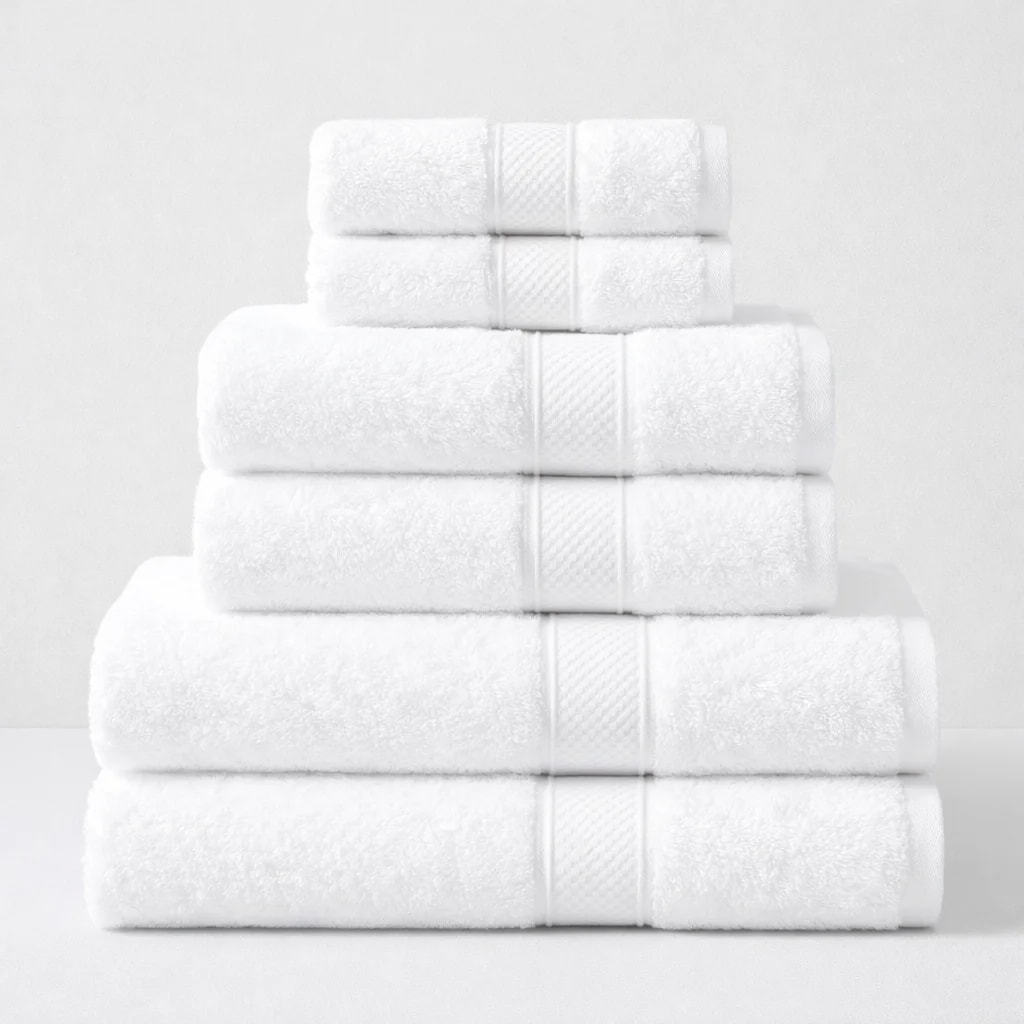

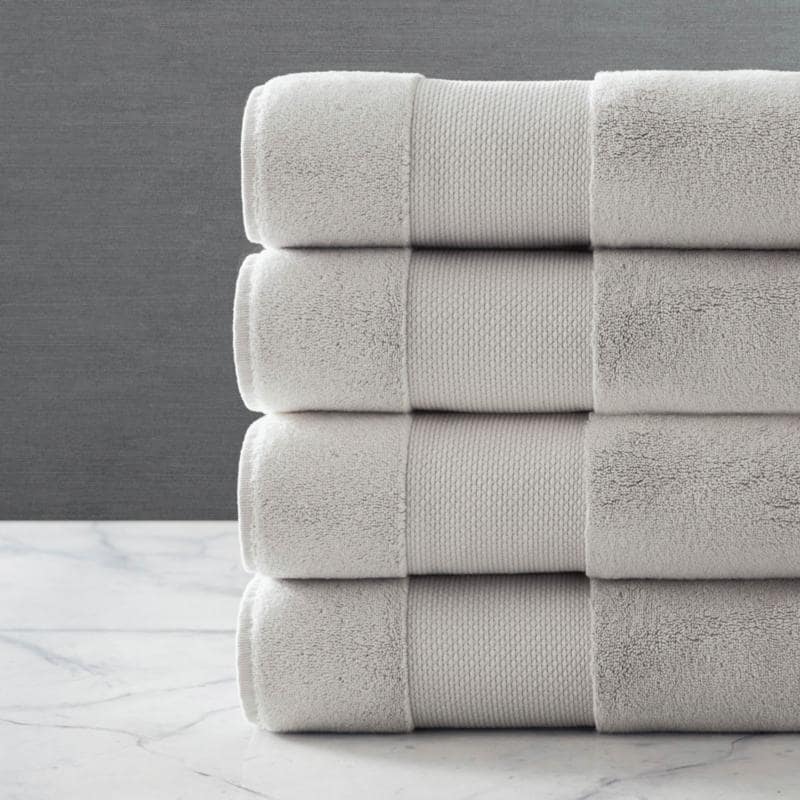

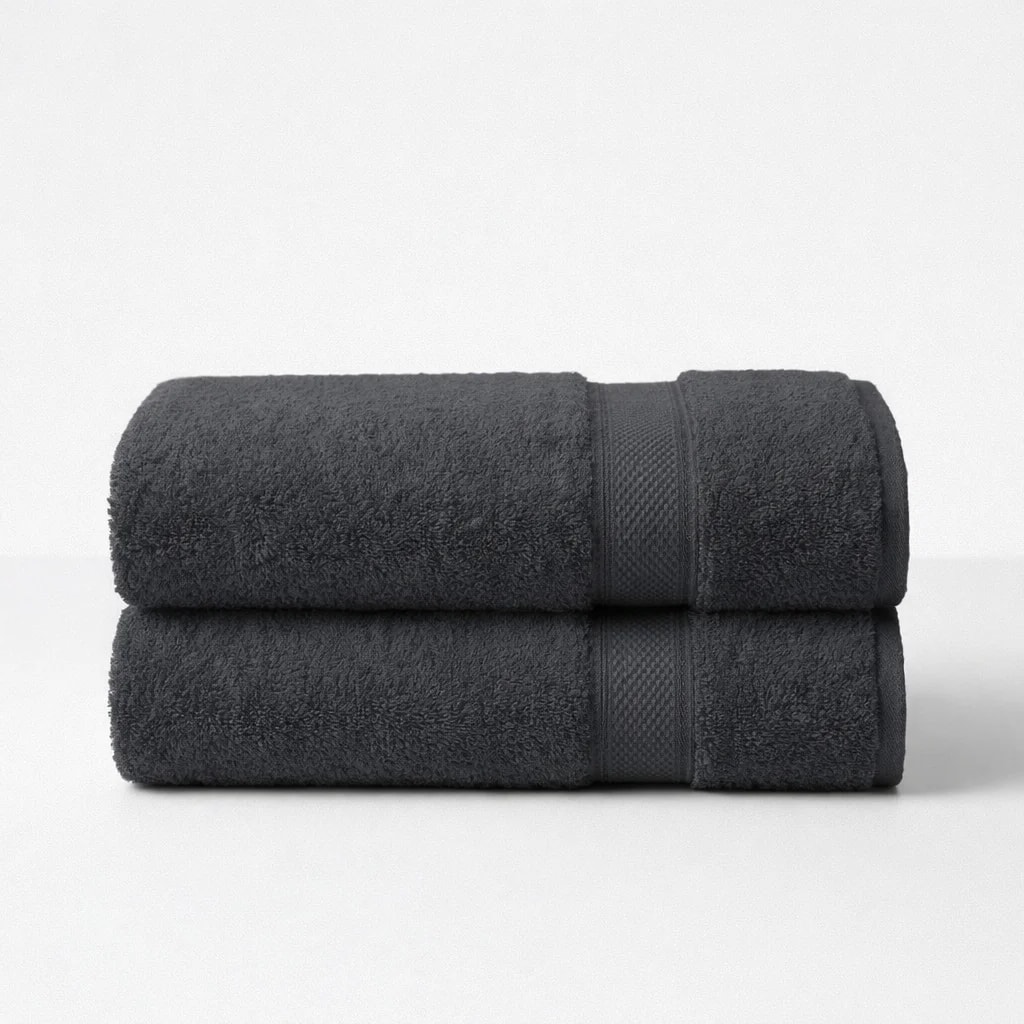
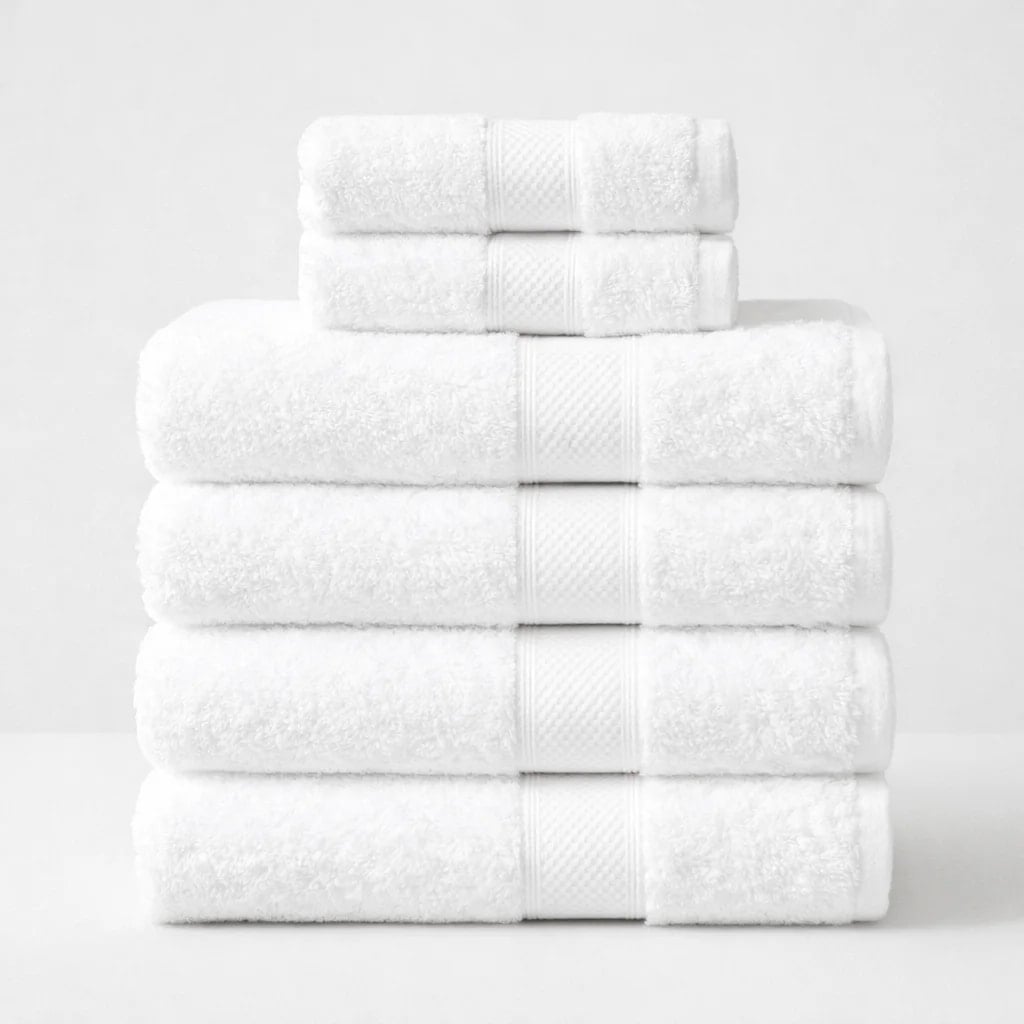
Walked into the RH Gallery in West Palm Beach last month to outfit our guest bath. The salesperson quoted me $1,400 for a full set (4 bath, 4 hand, 4 washcloths). I asked if they had any independent certification on the Egyptian cotton claim and got a long pause and then a vague answer about "trusted sourcing partners." Walked out, went home, ordered the equivalent Kemet bundle for $290. Honestly cannot tell the difference in hand feel and my husband thought I spent the full RH amount.
Exact same experience at the Chicago Gallery. The "Egyptian cotton" answer was so hand-wavy. They knew I knew. I think they get this question a lot now.
@Rebecca exactly. The aesthetic is gorgeous, I get the appeal. But at $148 for a single bath sheet I expected an actual certification, not a sales pitch about "thoughtful sourcing."
Hospitality procurement here. RH is not in our supplier ecosystem and never has been. Real luxury hospitality buys Frette, Sferra, or directly from Italian mills like Bellora. RH operates in the "aspirational retail" lane, not the actual hotel-supply lane. The towels are nice. The price reflects retail margin and gallery overhead, not a higher textile standard than competitors at half the price.
This is so helpful to know. Always assumed RH was hotel-grade because of the pricing. Makes sense why my Frette bath sheet from a hotel stay felt different from my RH set at home.
Long-time RH Members Program subscriber here. The membership gets you 25% off, which sounds great until you remember the base prices are 3x what they should be. I did the math last quarter: a "discounted" RH bath sheet was still $111. The Kemet equivalent at full price is $35. Even with the member discount, RH is selling a $35 spec for $111. I cancelled my membership and rebought my entire bath linen with Kemet. Better towels, $600 saved.
We renovated our master bath last year and the designer pushed RH hard. I bought 6 bath towels at $98 each thinking I was getting the best. Three months in, they look great hanging on the rack but honestly do not feel any different than my old Pottery Barn ones. My sister-in-law gifted us a Kemet set for Christmas and the difference was immediate. The Kemet are noticeably heavier and softer. Wish I had done my research before spending $600 on the RH set.
Did your designer get a commission from RH by any chance? Asking because mine did the same thing with a Williams-Sonoma push and I later found out about the trade discount situation.
Yes, RH has a robust trade program. She did mention it casually but I didn't think about it at the time. Won't make that mistake again.
As someone with family from an Egyptian cotton growing region, the Cotton Egypt Association Pyramid Mark is the only verification that actually means something for fibre provenance. It is grown only in the Nile Delta and the certification trail is genuinely audited. When a brand like RH charges $148 for a bath sheet and cannot point to that mark, they are charging Pyramid Mark prices for unverified product. That is the whole story.
RH opened a Gallery here in London (the Aynhoe Park one is wild) and the bath linen prices are even worse with the import markup. £110 per bath towel is roughly $140 USD. I would never spend that on a towel without independent verification of the cotton. Frette at Harrods is more honest about what you are paying for: a real Italian heritage brand with a real supply chain. RH is selling the vibe of that, not the substance.
Warning about the RH Membership pitch. The sales team is great at making you feel like you are getting a "trade-level" discount but the math is dishonest. Their base prices are inflated and the "discount" brings them to roughly Pottery Barn price for an identical product. Just go to Pottery Barn directly, or better, go to Kemet and get actual long-staple Egyptian cotton at the same money.
Wish I had seen this article before I spent $1,800 outfitting both bathrooms with RH bath linen. Looked stunning in the Gallery, looks stunning on my counter, but my honest assessment a year in: my old Costco Kirkland Signature towels were just as plush. The "luxury" hand-feel did not materialize after the first few washes. Ordering Kemet tomorrow as the replacement set. Live and learn.
Did the full RH bathroom thing in our last house. $2,200 in bath linen alone (RH plus a few Frette pieces). The Frette held up beautifully and still looks new 4 years later. The RH towels lost their initial loft within 6 months and started developing a slightly rough hand-feel. Same washing routine for both. The materials are not the same despite the similar pricing. Frette is the real thing.
This matches what the hospitality procurement person above said. Frette is genuinely supplied to luxury hotels. RH is positioned as luxury but is essentially a high-margin retail play. Same price point, very different product.
Honest question, is there any luxury bath towel brand selling at the $80+ price point that actually has the Cotton Egypt Association Pyramid Mark? It feels like every premium brand has decided that "Egyptian cotton" can mean whatever they want it to mean as long as the price tag is high enough. RH, Pottery Barn, even some Williams-Sonoma options — none of them have it.
Kathleen, great question. The brands consistently carrying or sourcing within the CEA verified spec are Pure Parima, Kemet, and a handful of smaller specialists. Most of the household-name "luxury" home decor brands do not. It is genuinely a category-wide problem and one of the main reasons we started this site.
Quick tip for anyone debating RH vs alternatives: weigh a single bath towel on your kitchen scale when it arrives. Marketing GSM is almost always rounded up. The RH Nantucket I bought was advertised at 800 GSM and weighed in at closer to 680 (Emily's findings match mine). The Kemet set I bought next was advertised at 700-800 and weighed 720. Trust the scale, not the marketing copy.
Had RH towels for 2 years. They were beautiful out of the box and slowly degraded. Replaced with Kemet 6 months ago. The Kemet are genuinely heavier and feel plusher even after dozens of washes. The "RH premium" was a feeling, not a fact. Wish I had spent the saved $1,000 on something else for the house.