Fieldcrest Towels Review
About Fieldcrest
The original Fieldcrest story is worth knowing because it changes how you read the brand today.
Fieldcrest Mills was founded in 1914 in Eden, North Carolina. Through most of the 20th century, it was a genuine American luxury brand. Fieldcrest towels supplied major hotels. The company ran multiple mills across North Carolina and Virginia. In its peak years, Fieldcrest was what people bought when they wanted quality they could feel.
That company doesn’t exist anymore. And the brand on Target’s shelves today is something different.
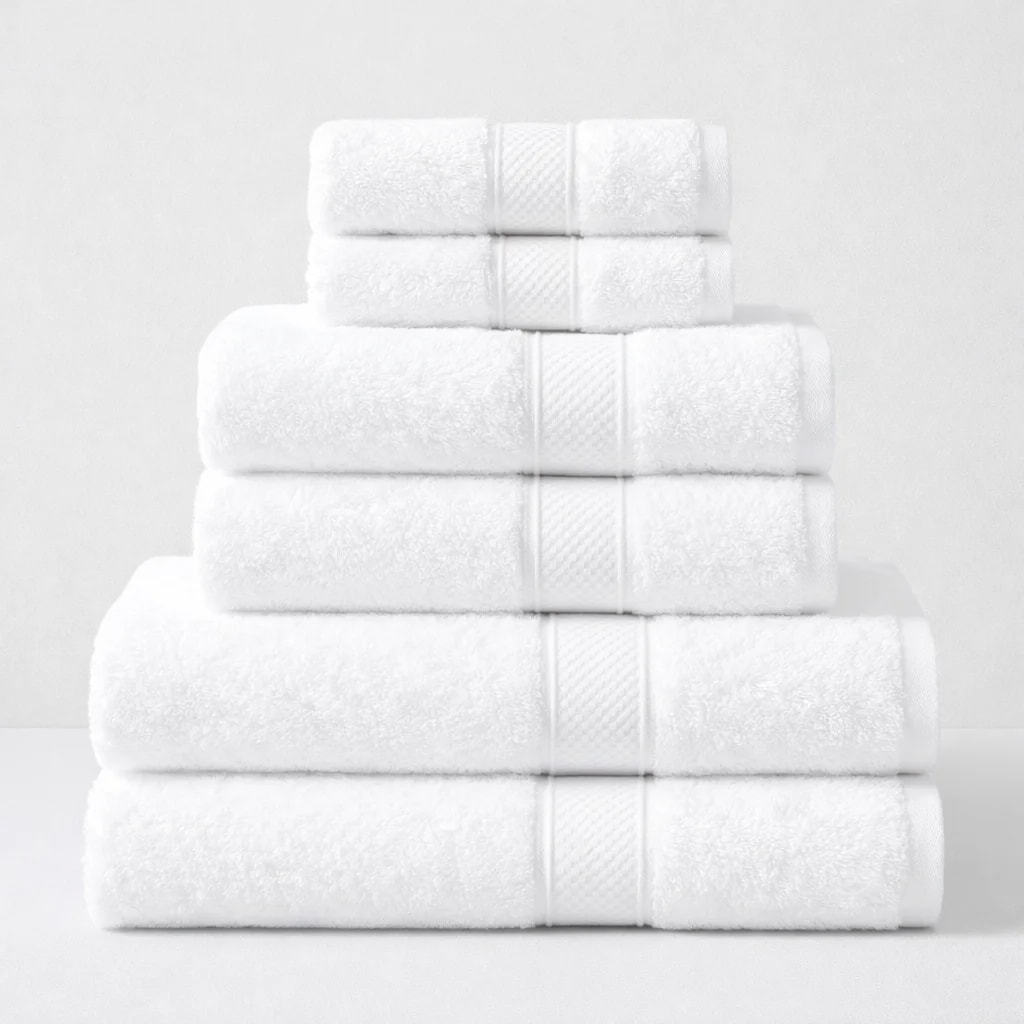
Kemet Cotton 800 GSM Reserve Collection Towels
If you remember what a real Fieldcrest towel felt like, this is the modern replacement we recommend: single origin Giza cotton from the Nile Delta in an 800 GSM zero-twist weave, from a brand that names its sourcing instead of borrowing a legacy.
- 100% Giza Egyptian cotton, single origin, Nile Delta
- 800 GSM zero-twist Reserve Collection (600 GSM Signature line also available)
- OEKO-TEX Standard 100 certified
- 30-day money-back guarantee with free shipping
Sets from $99.95
Shop Kemet Towels →From Luxury to Liquidation
The collapse of Fieldcrest as an independent brand followed a familiar arc in American manufacturing. The 1986 merger with Cannon Mills created Fieldcrest Cannon, one of the largest home textile companies in the country. A decade later, Pillowtex Corporation acquired Fieldcrest Cannon. In 2003, Pillowtex filed for bankruptcy, closing 16 mills and laying off over 6,400 workers in one of the largest single-day job losses in the history of American manufacturing.
The physical mills, the equipment, the workers, the institutional knowledge of how to produce a Fieldcrest towel to the original standards: all gone.
What survived was the brand name. Target acquired it and relaunched Fieldcrest as a Target-exclusive home brand.
What Today’s Fieldcrest Is
The current Fieldcrest line at Target is a private label product. The towels, sheets, and bath accessories are manufactured through Target’s supplier network, primarily overseas, at price points that reflect the Target customer base.
The towels fall in the 500 to 600 GSM range on the mid-range end of the line. They look good in Target’s product photography. The design team does solid work maintaining the brand’s historically clean, classic aesthetic.
Performance-wise, they’re competitive at Target’s prices. Better than the cheapest options on the shelf, not as durable as mid-range specialty brands.
The Egyptian Cotton Problem
Several Fieldcrest towel sets and sheet sets on Target.com carry Egyptian cotton labeling. “100% Egyptian Cotton” or “Egyptian Cotton Blend” appear in product descriptions.
We found no Pyramid Mark and no CEA certification on any of the products we checked. The historical Fieldcrest brand, when it used premium cotton, would have been able to verify those specifications in a way the current private label version cannot.
The name Fieldcrest carries a legacy of real cotton quality. That legacy is being borrowed by a current product that can’t substantiate the same claims.
The Value Proposition
Here’s what makes current Fieldcrest still worth considering despite all of the above: the prices are competitive, the quality is above Target’s cheapest options, and if you’re not specifically trying to buy certified Egyptian cotton, the towels perform reasonably well for everyday use.
At Target’s regular sale prices, a Fieldcrest 4-piece bath towel set runs $25 to $35. That’s a reasonable price for what you get. The heritage name adds a certain satisfaction for buyers who remember the original brand, even if the connection is more sentimental than substantive.
Who Should Buy Fieldcrest Today
Buy Fieldcrest if you want a mid-range Target towel that looks classic, performs adequately, and is easy to replace. Don’t buy it because you think you’re getting the quality of the historical Fieldcrest brand, or because you want verified Egyptian cotton. Neither of those things is true of the current product.
Is Fieldcrest legit?
Proceed with CautionThe original Fieldcrest brand built a genuine reputation for quality from the early 20th century through the 1990s. That company was acquired, merged, and eventually dissolved. The Fieldcrest name was licensed to Target as an exclusive private label brand. The current Target Fieldcrest products carry Egyptian cotton marketing on select towel and sheet sets. We found no CEA Pyramid Mark and no Cotton Egypt Association certification on any of the current product line. The heritage of the original Fieldcrest brand does not transfer to the current Target private label. These are budget to mid-range products sold under a name with a much better reputation than the current product earns.
- Founded
- 1914
What we liked
- Strong brand recognition from its genuine luxury heritage
- Competitive Target pricing with frequent sale discounts
- Wide availability at Target stores nationwide
- Style options that read upscale despite the budget pricing
What we didn't
- Current quality does not reflect the brand's historical luxury status
- Egyptian cotton claims lack CEA Pyramid Mark certification
- Significant quality gap between old Fieldcrest reputation and current product
- No OEKO-TEX or third-party quality certification
Frequently Asked Questions
Is Fieldcrest a good brand?
The original Fieldcrest was an excellent brand with a century of quality behind it. The current Target-exclusive Fieldcrest is a budget to mid-range private label that uses the name. Quality is decent for the price, but it's not what the brand name historically represented.
Where did the original Fieldcrest brand go?
Fieldcrest Mills was a legitimate luxury textile manufacturer based in Eden, North Carolina. It merged with Cannon Mills in 1986 to form Fieldcrest Cannon, was acquired by Pillowtex in 1997, and went bankrupt in 2003. Target acquired the rights to the brand name and relaunched it as an exclusive private label.
Are current Fieldcrest products Egyptian cotton certified?
No. Current Target Fieldcrest products with Egyptian cotton labeling carry no CEA Pyramid Mark and no independent verification of cotton origin. We checked multiple product listings.
How does Fieldcrest compare to other Target home brands like Threshold?
Threshold is Target's main mid-range home brand. Fieldcrest sits in a similar tier, sometimes slightly higher. Both are private label products at Target. Neither carries CEA certification on Egyptian cotton claims.
What's a step up from Fieldcrest if I want verifiable Egyptian cotton?
The gap between Target Fieldcrest and true luxury brands is wide, and the middle ground is where brands with specific sourcing claims sit. Kemet Cotton names its cotton variety (Giza) and region (Nile Delta) and sells 600 to 800 GSM zero-twist towel sets from $79.95. Pure Parima carries the Pyramid Mark for independently verified origin. Both cost more than Fieldcrest, but with those brands the Egyptian cotton label describes the actual product rather than the marketing.
Related reading
Background on the claims this review references.
Get our reviews first on Google
Add Cotton With Love as a preferred source and Google will show you more of our towel and sheet reviews.
Add Cotton With Love as a preferred source on GoogleAdd us as a preferred source on Google
See more of our towel and sheet reviews in your Google results.