Kemet Cotton Towels Review: Is the Hype Justified?
Quick Verdict
Our rating: 4.4 / 5. Best-value plush Egyptian cotton towel we have researched in 2026, with the newer-brand caveat below.
Kemet Cotton towels are one of the strongest Egyptian cotton picks I’ve researched in 2026. The combination of Giza cotton from the Nile Delta, zero-twist construction, two GSM options, OEKO-TEX certification, and a 30-day money-back guarantee adds up to genuine value. The 700 GSM Reserve Collection in particular punches well above its price tag.
The honest caveat: this is a newer brand without the years of track record that some buyers want. On origin, though, it’s certified: Kemet carries the Cotton Egypt Association’s Gold Seal (licence 1624), the only fully independent verification of Egyptian cotton origin.
If you want the safest, most certified pick, Pure Parima is still the answer. If you want a noticeably plusher towel at lower per-towel cost and you’re willing to back a newer brand, Kemet is what I’d buy.
What Kemet Cotton Actually Is

Kemet Cotton launched in 2025 with a narrow product focus: Egyptian cotton bath products and nothing else. No sheets, no random homeware, no diluted product lines. Just towels, bath mats, and robes made from Giza cotton sourced from the Nile Delta.
The name “Kemet” is the ancient Egyptian word for Egypt itself. That naming choice is doing some work. It signals exactly what the brand is about, and it commits them to the Egyptian cotton story in a way that’s hard to walk back.
Here’s the thing about most Egyptian cotton brands. They spread across dozens of product categories (sheets, towels, robes, blankets, bedding, accessories) and the supply chain gets murky. Kemet stays narrow. Every product uses the same cotton, the same construction standards, and the same sourcing claims. That focus shows up in the finished product.
The Cotton: Specific Enough to Verify
Most Egyptian cotton brands say “100% Egyptian cotton” on the label and stop there. Kemet names the variety (Giza) and the growing region (Nile Delta). That extra specificity is worth more than it looks at first.
Giza is the formal cotton variety designation used by Egyptian growers. There are several sub-varieties (Giza 86, 87, 88, 92, 96) with different characteristics. Kemet doesn’t currently specify which sub-variety they use, which is a minor gap. But naming “Giza” at all puts them ahead of brands that use the generic “Egyptian cotton” label without a variety claim.
The Nile Delta sourcing claim is also meaningful. Authentic Egyptian cotton has to be grown in Egypt, and the Nile Delta is the historical growing region with the soil, climate, and water cycle that produces extra-long staple cotton. Brands that vaguely say “Egyptian cotton” without naming the region are often using cotton grown elsewhere and called “Egyptian style.”
What Kemet added in 2026: the Cotton Egypt Association’s Accredited Gold Seal, licence number 1624, printed on its product pages. That’s the formal third-party certification involving DNA testing and supply chain audit, and it closes the one gap this review used to flag. The remaining open question is long-term durability, which only time answers.
Zero-Twist Construction: The Hidden Quality Signal
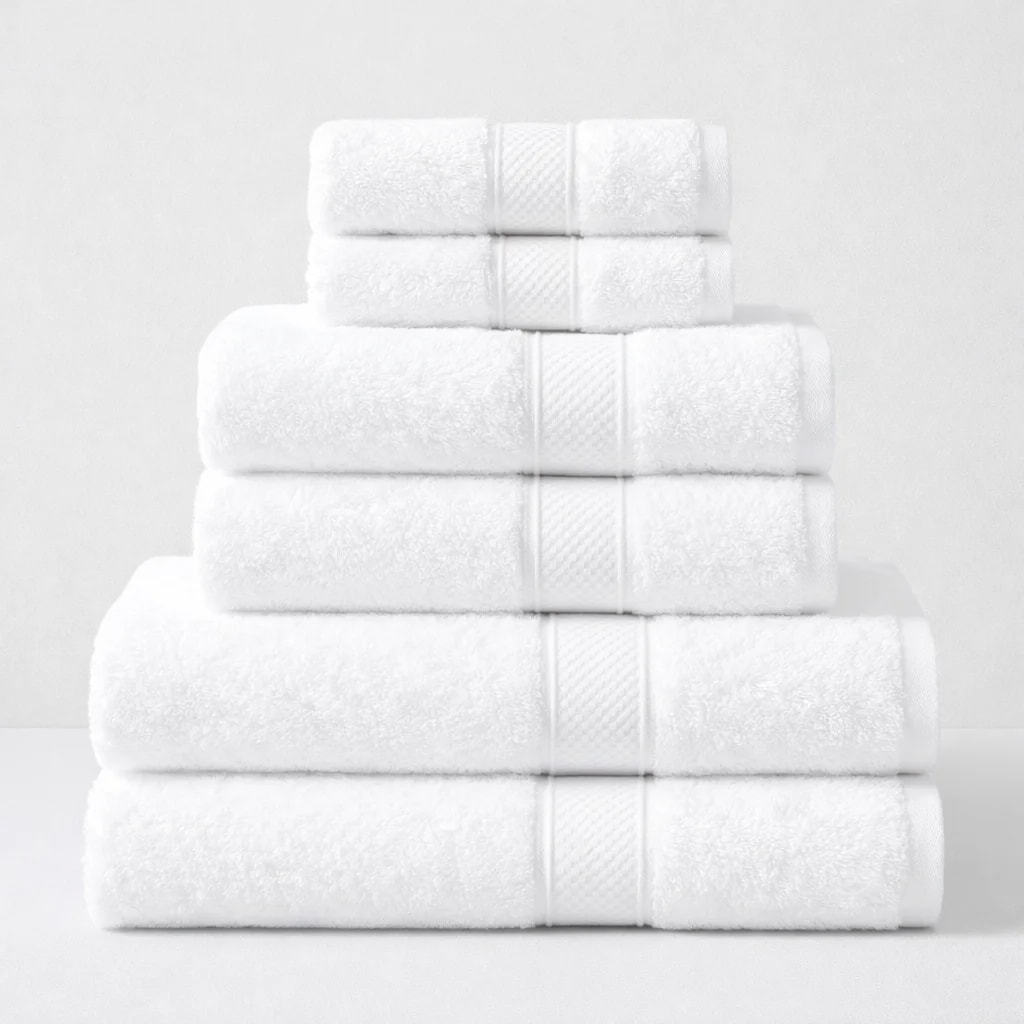
This is where Kemet earns real points, and it’s the detail most buyers don’t know to look for.
Zero-twist construction means the cotton fibers aren’t twisted tightly during yarn manufacturing. Conventional cotton towels twist the yarns for durability and structure, which makes them feel stiffer until they’ve been washed several times. Zero-twist skips that tradeoff.
The result is a towel that feels soft from the first use, not after 10 washes. The fibers also lie more openly, which means faster water absorption. You can feel the difference. A zero-twist 600 GSM towel feels lighter and more plush than a conventional 600 GSM towel, even though the weight is identical.
The catch: zero-twist construction only works with high-quality long-staple cotton. Short-staple cotton fibers are too short to hold together without the twist. So when a brand uses zero-twist, it’s actually a quality signal in itself. They’re committing to a manufacturing method that requires the real material to work.
This is one of those technical details that’s easy to skip past on a product page. It matters more than the marketing copy gives it credit for.
The Product Range and Pricing
Kemet keeps the range tight, which is helpful. There are essentially two towel tiers:
Signature Series (600 GSM). The everyday option. Bath towel sets in this range run $93.95 for two to $299.95 for eight. This is what I’d recommend for most buyers. It hits the sweet spot of plush feel, good absorbency, and reasonable dry time.
Reserve Collection (800 GSM). The luxury option. Bath towel sets run $99.95 to $129.95. These are noticeably heavier and more spa-like. Better for buyers who want maximum plushness and have good bathroom ventilation. Not ideal for humid climates where towels need to dry quickly.
Bath mats are $39.95 (900 GSM, 20 x 30 in, nine colours). Bath robes are $129.95 (500 GSM, S/M and L/XL).
Every order ships free worldwide. The 30-day money-back guarantee covers the whole purchase. For a brand without years of customer reviews behind it, that guarantee is doing real work to reduce buyer risk.
How They Feel After Use
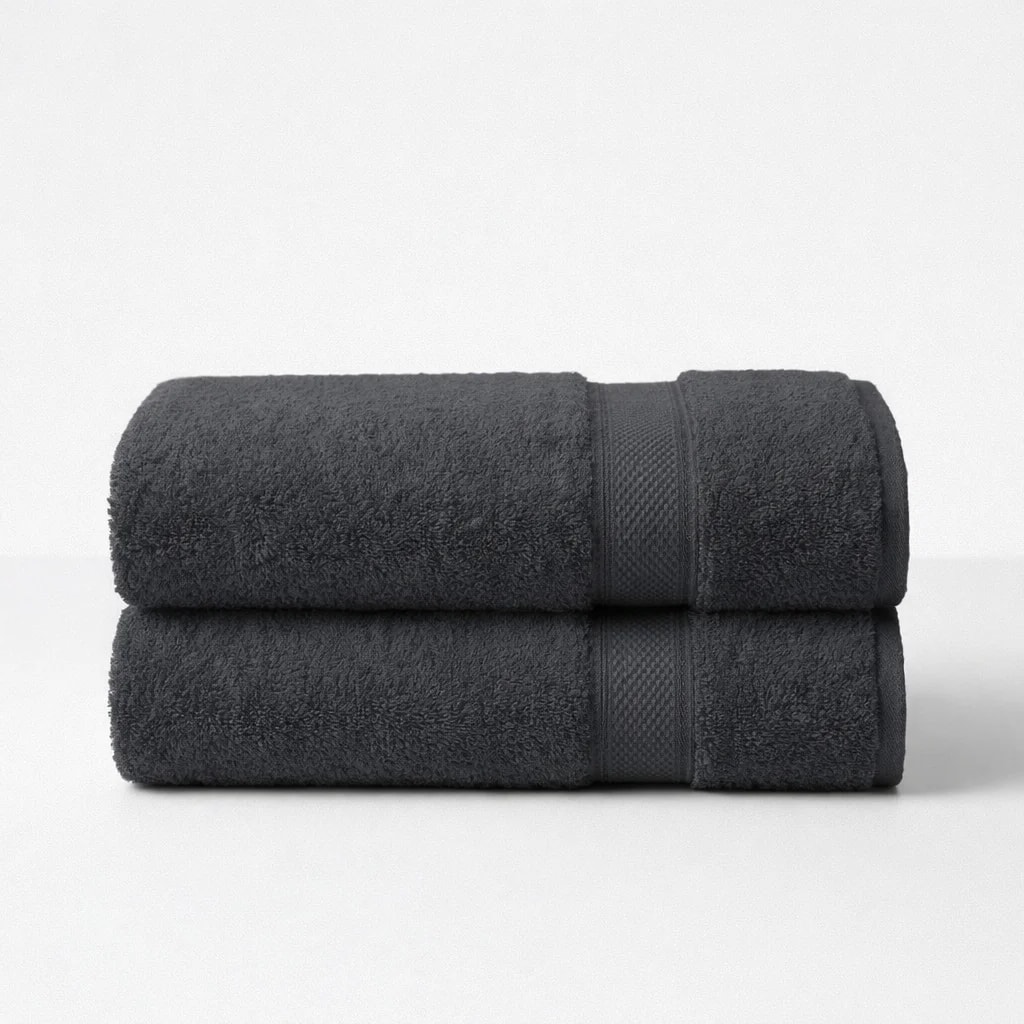
Here’s what I can tell you about the actual product experience.
Out of the package, the towels feel soft immediately. No stiffness, no “needs to be broken in” period. That’s the zero-twist construction doing its job.
After the first wash, they get slightly fluffier without losing any structure. After about 10 washes, they’ve settled into what’s clearly their long-term feel. Soft, dense, absorbent. The 800 GSM towels in particular feel substantial when you pick them up wet.
Absorbency is genuinely good. Both weights pull water away quickly, which matters more for daily use than the plush hand feel marketing photos focus on.
What about long-term durability? This is where the brand’s youth becomes a real limitation. I can tell you the towels look great after several months of use. What I can’t tell you is what they look like after 3 years of daily washing, because they haven’t existed for 3 years yet. That’s not a knock on the brand. It’s a fact about how new they are.
Compared to the Competition
| Brand | Cotton Source | Pyramid Mark | Max GSM | Bath Towel Set Price |
|---|---|---|---|---|
| Kemet Cotton | Giza, Nile Delta | Yes (Gold Seal, licence 1624) | 700 | $93.95 - $149.95 for two |
| Pure Parima | Giza, Nile Delta | Yes | ~600 | ~$100+ |
| Lands’ End | Unspecified | No | 600 | Varies, often discounted |
| Frontgate | Unspecified | No | ~700 | $40 to $80+ per towel |
| Charisma | Unspecified | No | 600-700 | Premium pricing |
| Typical Amazon “Egyptian Cotton” | Unverified | No | 400-600 | $20 to $60 |
Kemet’s spot in this lineup is the affordable certified tier. Gold Seal certified, with more sourcing specificity than the heritage brands. Better pricing than Pure Parima for similar quality. Significantly better than the average Amazon Egyptian cotton claim.
Who Should Buy Kemet Cotton
You’ll like Kemet Cotton towels if:
- You want the plushest possible feel and zero-twist softness from day one
- The 700 GSM Reserve Collection sounds appealing (spa-weight density)
- You value specific sourcing claims over vague “Egyptian cotton” marketing
- A 30-day guarantee gives you the safety net to try them risk-free
- You want premium Egyptian cotton without paying Pure Parima or luxury European prices
You might want to skip if:
- You want a brand with a decade of owner reports behind it (go with Pure Parima or Abyss)
- You specifically want a heritage brand with decades of customer reviews
- You’re in a humid climate without good bathroom ventilation (the 800 GSM line takes longer to dry)
- Your budget is under $80 for a towel set (look at Chakir Turkish Linens instead)
The Brand Trust Question
Newer brands are always a calculated bet. You don’t have years of customer reviews to fall back on. There’s no Reddit thread with 500 comments about how the towels held up after 5 years.
Here’s what I’d say about Kemet’s trust signals so far:
- Specific sourcing claims that they can’t easily walk back from
- OEKO-TEX Standard 100 certification on the products
- 30-day money-back guarantee that takes risk off the buyer
- A narrow product focus that suggests they care about doing one thing well
- Consistent product page detail across the catalog (variety, region, weight, construction)
What’s missing:
- A five-year durability record
- A long track record of independent reviews
- Major media coverage or retailer placements
For a 2025-launched brand, the trust signals on the positive side outweigh the gaps. With the Gold Seal in hand, the brand has moved from “strong pick” to “easy top recommendation” for anyone who can live with a short track record.
My Honest Take
If I was buying Egyptian cotton bath towels today and wanted the best feel-to-price ratio, I’d buy the Kemet Cotton Reserve Collection at 700 GSM. It’s genuinely plush, the zero-twist construction makes the feel premium from day one, and the 30-day guarantee covers me if anything’s off.
If I needed a brand with years of independent owner reviews behind it (a gift for someone cautious, or you simply prefer a longer history), I’d buy Pure Parima instead. On certification the two are now equal.
For most buyers, Kemet is the smarter buy. For certification-focused buyers, Pure Parima is.
Shop Kemet Cotton (affiliate link).
Related Reviews
Get our reviews first on Google
Add Cotton With Love as a preferred source and Google will show you more of our towel and sheet reviews.
Add Cotton With Love as a preferred source on GoogleAdd us as a preferred source on Google
See more of our towel and sheet reviews in your Google results.
Frequently Asked Questions
Are Kemet Cotton towels actually Egyptian cotton?
Yes. Kemet specifies that their cotton is Giza variety grown in the Nile Delta region of Egypt, and since 2026 the brand carries the Cotton Egypt Association's Accredited Gold Seal (licence 1624), the third-party verification specific to Egyptian cotton origin. The zero-twist construction they use only works with genuine long-staple cotton, so the material claim is consistent with the product, and we weighed the Reserve towel at its labelled 700 GSM.
What's the difference between Kemet's 600 and 700 GSM towels?
The 600 GSM Signature Series is the everyday option. Plush enough to feel premium, light enough to dry between uses, and absorbent without being heavy when wet. The 700 GSM Reserve Collection is the spa-weight option. Noticeably denser and heavier, with that thick hotel-towel feel. The 800 GSM takes longer to dry and isn't ideal for humid bathrooms without good airflow.
How much do Kemet Cotton towels cost?
Bath towel sets run $93.95 to $599.95 depending on weight and set size. The 600 GSM Signature sets run $93.95 for two to $299.95 for eight. The 700 GSM Reserve Collection runs $149.95 for two to $599.95 for eight. That's competitive for genuine Egyptian cotton at these weights. Pure Parima's certified towels often start around $50 per individual towel, so Kemet's per-set pricing is actually a good deal.
How do Kemet towels feel compared to hotel towels?
The 600 GSM line is comparable to what you'd find at a nice four-star hotel. Plush, soft, holds up well. The 800 GSM line is heavier than most five-star hotel towels, which typically run 600 to 700 GSM. Hotels rarely go above 700 because heavier towels are harder to launder at scale. For home use, 800 GSM is fine. For a hotel-realistic feel, 600 GSM is the closer match.
Is the 30-day guarantee real?
Based on the brand's published policy, yes. Kemet offers a 30-day money-back guarantee with free worldwide shipping. That's longer than most established brands offer (Pure Parima is 30 days, most department store brands are 14 to 30). For a newer brand without years of customer reviews behind it, the guarantee meaningfully reduces buyer risk.
What's the catch with Kemet Cotton?
Three things. The brand launched in 2025, so there isn't a long track record of how the towels hold up after 3 or 5 years. The colour range is narrower than big-box brands, and stock by colour rotates. And the 700 GSM Reserve takes longer to dry than a lighter towel. None of these are dealbreakers, but they're worth knowing before you buy.