
If you have ever typed "Egyptian cotton sheets" into Amazon, you have met Mayfair Linen (often searched as Mayfair Linens). Its Voyage set is a 600 thread count sateen that claims 100% Egyptian extra-long-staple cotton, carries an OEKO-TEX certification, and sells for $99 for a Queen on the brand's own site. It has racked up around 3,756 Amazon ratings averaging 4.7 stars. On paper, that looks like the bargain of the category.
But flip the package over and you find the detail the listing does not lead with: the sheets are made in India, by a company headquartered in California. That alone is not disqualifying, plenty of decent cotton is woven in India. What made me dig deeper is the pattern in the one-star reviews: sheets that turn scratchy or flimsy after the first wash, lint balls, heavy wrinkling, the occasional unit thin enough to see through, and, strangest of all, photos of the same product wearing three different fiber tags. So I put Mayfair Linen head-to-head against Kemet, Parachute, Brooklinen, and Amazon Basics to see where a $99 "Egyptian cotton" sheet really lands. You can see how the wider field ranks in our best Egyptian cotton sheets guide.
Here's the honest breakdown of every brand I compared:
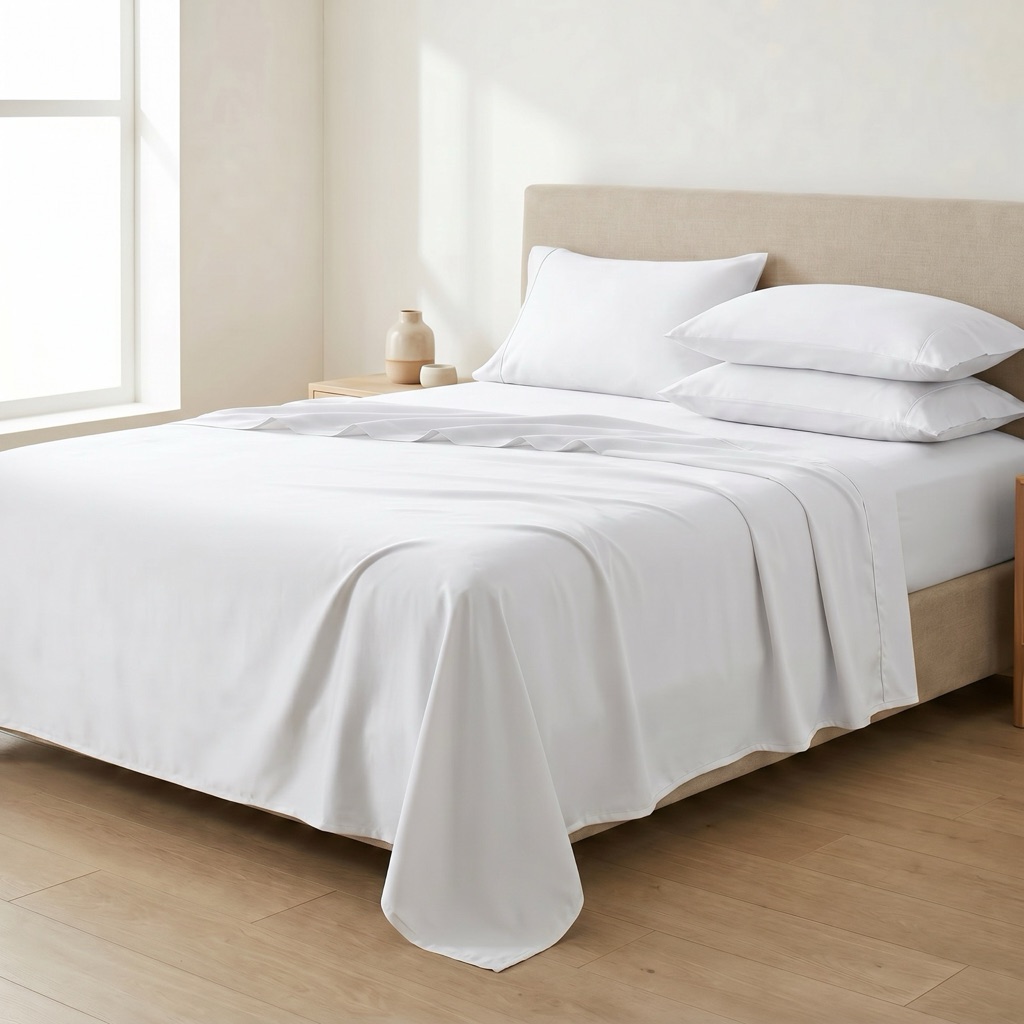
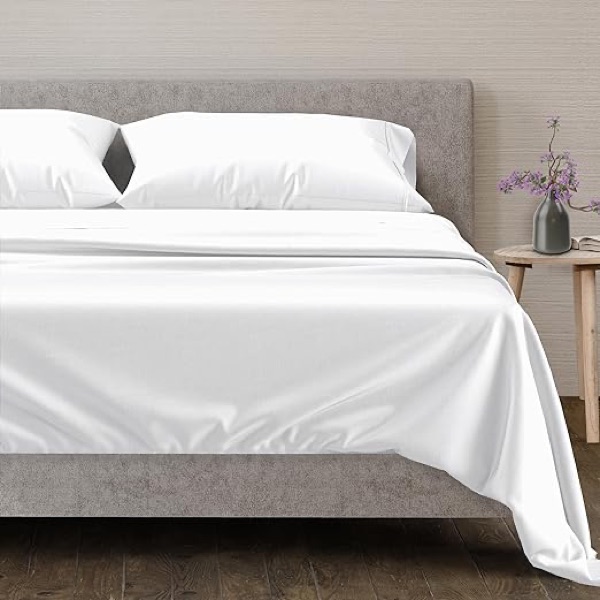
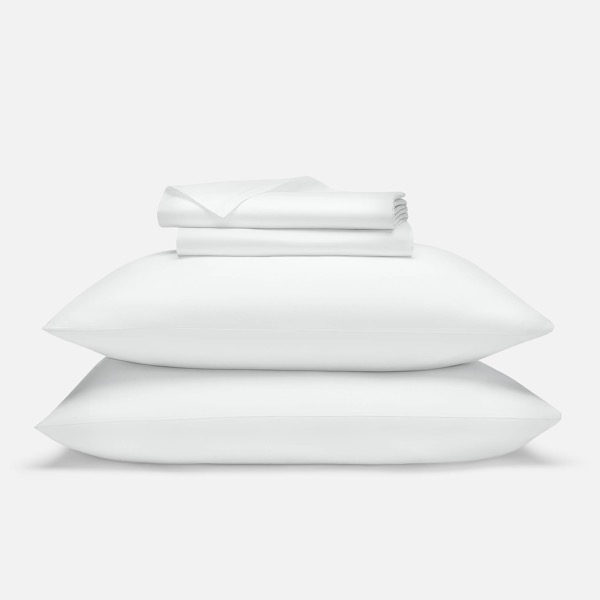
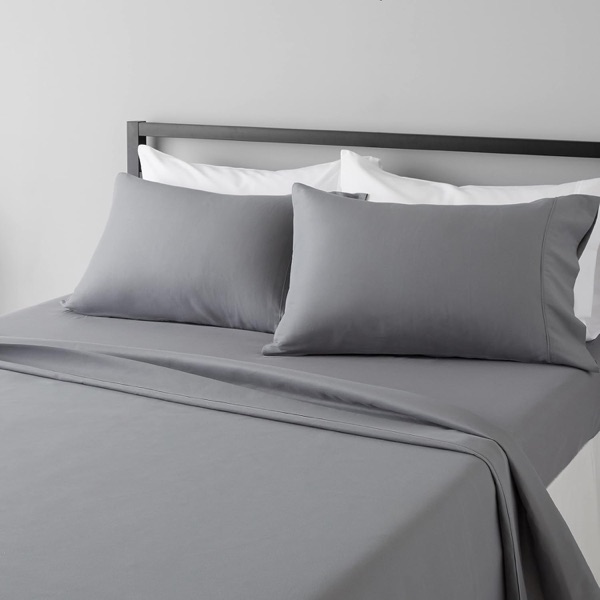
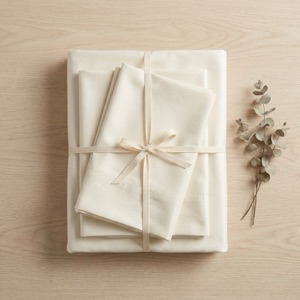
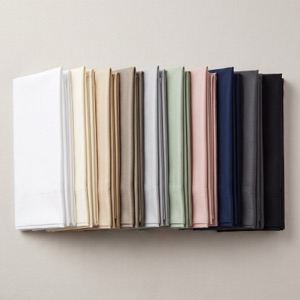
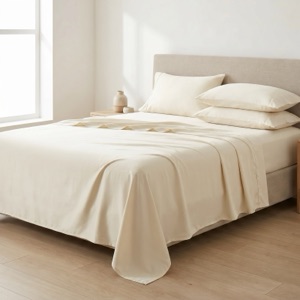
This review describes my exact experience. I bought two Mayfair Voyage sets a few months apart. The first one was honestly lovely, smooth, decent weight, no complaints. The second one felt noticeably thinner, you could see the mattress protector pattern through the flat sheet held up to the light. Same listing, same color, totally different sheet. Amazon took the return without any fuss, but "which sheet will I get" is not a question I should be asking a bedding brand.
Check the sewn-in tag on your two sets. Mine said "100% Natural Cotton", not Egyptian anything, even though the listing says Egyptian cotton. When I searched around I found other buyers posting tags that said different things on the same product. That was the detail that made me return mine.
The lint balls are real. My Mayfair set was smooth for about three washes and then tiny pills started showing up all over the fitted sheet, the kind you feel with your fingertips before you can even see them. Real long-staple cotton isn't supposed to do that, that's what the long fibers are for. For $99 I wasn't expecting perfection, but I wasn't expecting pilling in the first month either.
Nobody warns you about the wrinkling. I take my Mayfair sheets out of the dryer immediately and they still look like a crumpled receipt by the time the bed is made. I've owned sateen sheets before and they always wrinkled less than percale, so this surprised me. If you're the type who irons bedding you'll be fine, but I am not that type.
Hotel management here, and the thread count section of this review deserves to be pinned somewhere. Single-ply weaving physically maxes out around 500-600 threads per square inch. Every 800, 1000, or 1500 count label you see is counting the plies of a twisted yarn as separate threads. When we buy commercial linens we spec the yarn and the ply, never the marketing number. A brand selling both a "600" and an "800" line is telling you it knows exactly how that game is played.
Wait, so my "1000 thread count" sheets from a few years ago were basically 250-count fabric with 4-ply yarn? That explains so much about how they felt.
My family is from the Nile Delta and I appreciate a review that finally separates "Egyptian cotton" the fiber claim from "made in Egypt" the fact. Most of the cotton labeled Egyptian on Amazon never saw Egypt at any point in its life, and even when the fiber is real, it's usually exported and woven somewhere else. A brand that weaves at its own mill in Egypt is the exception, not the rule, and it's the only version of the claim you can actually check.
I own both, so here's my two cents. The Mayfair set I got was one of the good ones, no thinness, no pilling yet, and for the guest room at $99 I'm satisfied. But when I put the Kemet set on our own bed the difference was immediate, the fabric is denser and glassier, and it's actually gotten smoother over a couple months of weekly washing where the Mayfair has stayed the same or gone slightly rougher. You do get what you pay for, the question is just which room you're buying for.
This is the most useful comment here. Guest room Mayfair, master bedroom Kemet. Sold.
Mine were beautiful out of the package and then came out of the first wash feeling like a completely different product, rougher and somehow flimsier at the same time. I followed the care label exactly, cold wash, low tumble. I know sateen loses a little of its finish in the first wash, but this was not a little. Returned through Amazon, which at least was painless.
For readers outside the US: most of the Amazon-first sheet brands either don't ship here or the import fees erase the price advantage. Kemet's free worldwide shipping is the reason I could even take part in this comparison, my set arrived in under a week with nothing extra to pay at the door. Worth factoring in if you're comparing that $99 US price to what you'd actually pay landed.
Tip for breaking in any new cotton sheets: first wash with a cup of white vinegar and no detergent, then a normal wash. It strips the factory finish and lets the actual fabric show itself. Fair warning though, this is also how you find out fast whether you got a good unit or a bad one, because the finish is what's hiding a thin or short-fiber fabric. Good sheets come out softer. Bad sheets come out honest.
"Bad sheets come out honest" is the best one-line summary of budget bedding I've ever read.
Thank you for a review that gives Mayfair credit for the price instead of just piling on. I was about to buy three Voyage sets for the whole house because the reviews looked so good. After reading this I went with one Mayfair set for the guest room, where a coin-flip sheet is fine, and spent the savings on a Kemet set for our room. The envelope pillowcases alone are a bigger upgrade than I expected, no more pillow creeping out the end.