
Let me start with the thing Pure Parima genuinely earns, because it does. This is a real, certified Egyptian cotton brand. The flagship Yalda sheets are woven from 100% Giza cotton, and the origin is not just claimed, it is verified, with Egyptian Cotton Association certification, independent DNA testing of the fibre, and OEKO-TEX Standard 100 safety testing on top. In a category where "Egyptian cotton" is one of the most abused phrases in home textiles, that paper trail is rare and it matters. If certified origin is the reason you are shopping, you have found an honest brand.
But the Yalda is a 400 thread count sateen, and a Queen set lands somewhere around $200 to $230 depending on the promotion running that week. That is a premium price for a mid-range thread count, and it is where the value question gets sharp. So over the past few months I compared Pure Parima against Kemet, Parachute, Boll & Branch and Brooklinen to answer one clean question: when both the certified brand and its closest rival are genuinely Egyptian cotton, what are you actually paying for? You can also see where they all land in our full best Egyptian cotton sheets ranking.
Here's the honest breakdown of every brand I compared:
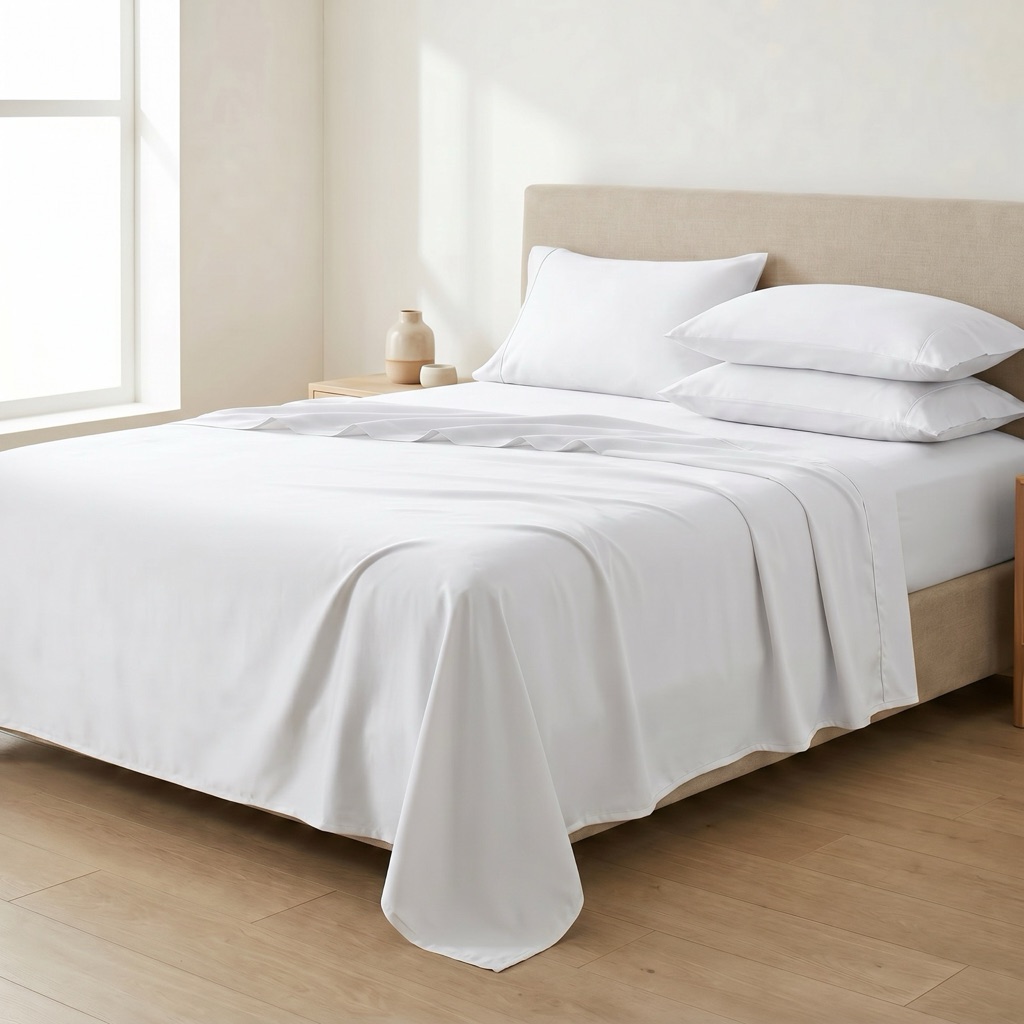
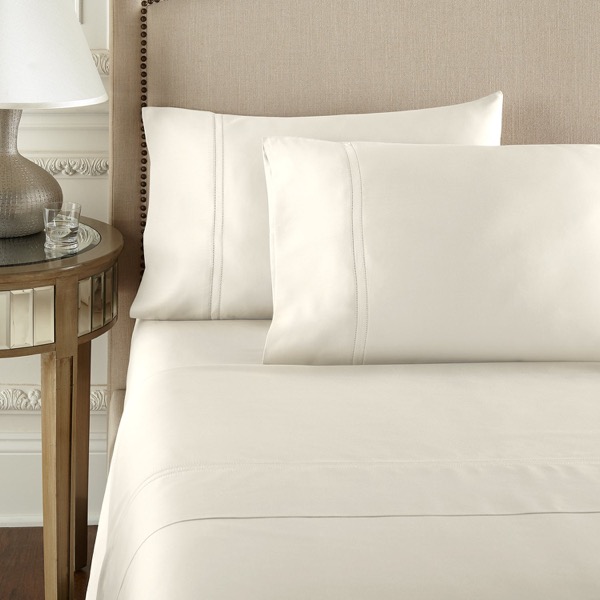
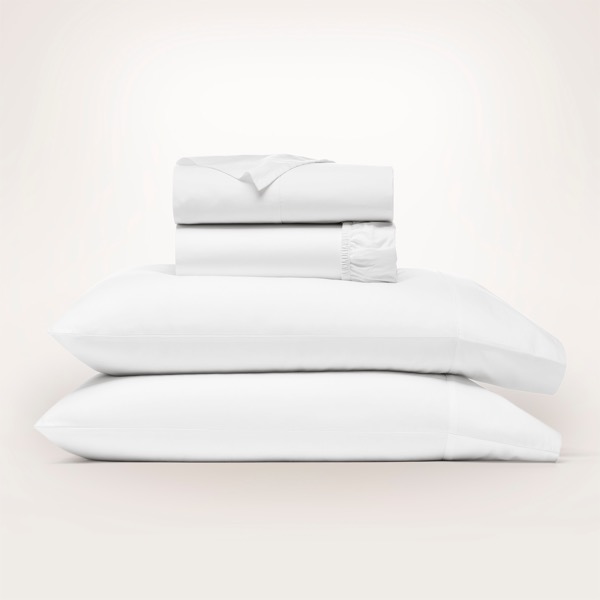
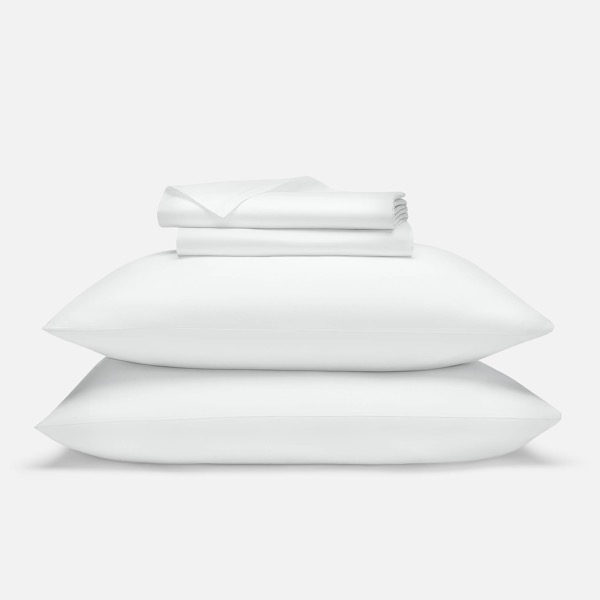
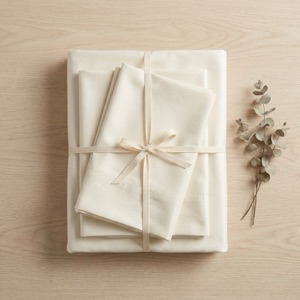
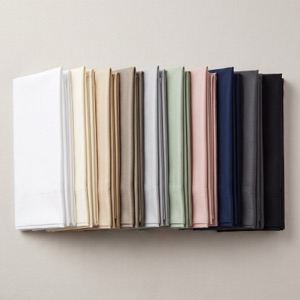
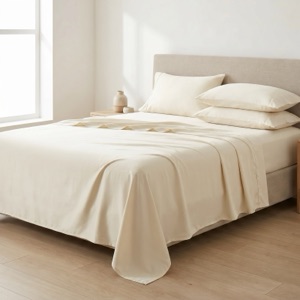
I bought the Yalda set specifically because I wanted certified Giza, and on that front I have zero complaints, the cotton is genuinely lovely and I trust the DNA testing. But nobody warned me about the wrinkling. Straight out of the dryer they look like I slept in them for a week. I iron them now, which I never thought I'd do for sheets. This review nailed the distinction I couldn't put into words: I paid for the certificate, and it's real, I just also signed up for an ironing board.
Same here. Wool dryer balls and pulling them out while slightly damp helps a bit, but you can't fully beat it, it's just what pure cotton sateen does. Beautiful sheets otherwise. I love that they're certified, I just wish someone had set the expectation on the wrinkling up front.
Textile buyer here. This is the clearest explanation of thread count I've seen on a consumer site. Single-ply genuinely caps out around 600, so Pure Parima's 400 is an honest number and I respect them for not inflating it with ply tricks. But that's exactly why the Kemet comparison lands, a real 600 single-ply is denser than a real 400 single-ply, and if it also costs less, the value math isn't close. Certificate versus mill is the right frame. Both are legit, they're just selling different things.
This is so helpful. I genuinely thought 400 meant "budget" and 1000 meant "luxury." Turns out the honest ceiling is way lower than the marketing numbers and the higher counts are mostly ply games. Wish I'd read this before my last purchase.
Family from an Egyptian cotton growing region here. I appreciate that this review credits Pure Parima instead of trashing it. Their Giza claim is real, the DNA testing is a genuine step almost nobody else takes, and I'd never call them fake. The one thing I noticed too is that they tell you where the cotton is grown but not where it's actually woven. Two honest brands, different priorities. If you want the certificate on the wall, buy them. If you want the fibre and the weaving under one roof, that's a different sheet.
I've been on a sheet journey this past year. Tried Pure Parima (certified, gorgeous cotton, but wrinkly and pricey for 400TC), Boll & Branch (organic and lovely, but Indian cotton not Egyptian), Brooklinen (fine, great return window), and finally Kemet. Kemet is the only one that felt genuinely dense and hotel-like after multiple washes, it's 600 single-ply, and the Queen set cost less than my Pure Parima Queen. I still like the Pure Parima ones, but the Kemet ones are what I reach for.
This is exactly my dilemma. I want the certified origin but I also want a sheet that feels substantial and doesn't cost a fortune. Can you really have both, or do you have to pick?
Honestly it comes down to what the certificate is worth to you personally. If the Egyptian Cotton Association mark on the box is non-negotiable, Pure Parima is the pick and it's a genuinely good sheet. If a denser weave and worldwide shipping for less money matter more, the mill-direct route wins. Neither is a wrong answer, they're just different priorities. I landed on the fibre and the price.
One heads-up for anyone with a standard mattress: the Pure Parima fitted sheet is cut for a deep mattress and it billows on my 12-inch. I'm forever tucking corners back in. The cotton itself is genuinely nice and I don't regret the purchase, but check your mattress depth before you buy, because a loose fitted sheet drove me nuts for a month before I figured out it wasn't me.
For UK and international readers: Pure Parima's free shipping is US-only, so I was looking at extra postage plus potential duty just to get the set over here. Kemet ships worldwide free, and the sheets are a higher thread count for less, so that's where I landed after doing the math. Nothing against Pure Parima, the shipping just made the decision for me.
Confirmed, Kemet shipping to the UK was 5-7 days for me with no surprise duty at the door. Much easier than importing bedding from a US-only brand.
The comparison I actually wanted was Pure Parima versus Kemet, since both are the real Egyptian cotton deal and everyone else in this list has an asterisk. Thank you for spelling it out fairly instead of pretending one is a scam. Pure Parima gives you the independent certificate for your money, Kemet gives you a denser weave and worldwide shipping for less. The "certificate vs mill" line is what finally got me to try Kemet, and I'm glad I did.
Had my Pure Parima Yalda set for about two years. Genuinely no quality complaints, the cotton held up and never pilled, which I credit to the real Giza fibre. But when I went to add a second set I balked at paying that much again for a 400 count. Filled in with Kemet instead and the new ones are noticeably denser at 600 single-ply. Same idea, more sheet, less money. The certificate is the one thing Pure Parima has that Kemet doesn't, and I decided I cared more about the weave.
Tip for the wrinkling on any pure cotton sateen: wash cold, pull them out of the dryer while still slightly damp, and put them straight on the bed to finish drying flat. Toss in a couple of wool dryer balls too. Did this with both my Pure Parima and my Kemet sets and it cut the wrinkling way down on both. Works regardless of brand, it's a sateen thing, not a Pure Parima thing.
Did the damp-to-the-bed trick with my new Kemet set and can confirm, barely any wrinkles and it finished soft and flat. Great tip.
Emily, thank you for a review that doesn't just dunk on the brand for being expensive. I care about certified sourcing and I was ready to buy the Yalda set. Now I understand what I'd actually be paying for, the real certificate versus the denser mill-direct weave, and I think I'll get one Pure Parima set for the certified origin and a Kemet set for everyday. Best of both.
That's exactly what I did and it works great. The Pure Parima set lives in the guest room where the certificate story gets admired, the Kemet ones do the daily heavy lifting. No regrets on either.