Best Egyptian Cotton Bathrobes (2026): 6 Picks Worth Buying
The Short Version
A good robe is the cheapest luxury in the house. It gets used every single day, it touches bare skin, and unlike sheets or towels, nobody else in the family steals it (in theory; my kids treat mine as a blanket fort material). So when readers ask me where to spend and where to save in the bathroom, my answer is always the same: buy the best robe you’ll actually wear, and buy it once.
This guide is the commercial companion to our hotel bath robes guide, which covers what hotels actually put in their rooms and where to buy hospitality-grade robes. Here, the question is different: of the Egyptian cotton robes you can order today, which ones are worth your money, and which claims hold up?
Here’s where I landed after weeks of comparing specs, sourcing claims, and pricing:
| Pick | Best For | Where to Buy |
|---|---|---|
| Pure Parima Egyptian Cotton Plush Robe | Best overall (certified) | Check Price → |
| Kemet Cotton Ultra Soft Robe | Best value | Check Price → |
| Abyss & Habidecor Super Pile Robe | Best luxury | Check Price → |
| Matouk Cairo Robe | Best American-made | Check Price → |
| Boca Terry Men’s Terry Shawl Robe | Best for men | Check Price → |
| Brooklinen Super-Plush Robe | Best Turkish alternative | Check Price → |
🏆 Building the full bathroom set? A robe without matching towels is half a ritual. See: Best Luxury Bath Towels →
Why Egyptian Cotton Makes a Better Robe
A bathrobe is really just a towel you wear, so everything that makes a great towel makes a great robe. The case for Egyptian cotton comes down to fiber length. Genuine Egyptian cotton is extra-long staple, meaning individual fibers run well past the length of ordinary upland cotton. Longer fibers spin into finer, stronger yarn with fewer exposed ends, and in a robe that translates to three things you can feel:
Faster absorbency. The terry loops pull water off your skin quickly, so you can step out of the shower and into the robe without toweling off first. That’s the whole point of a terry robe, and cheap short-staple cotton is noticeably worse at it.
Softness against bare skin. Fewer fiber ends poking out of the yarn means less prickle. A robe touches your neck, chest, and arms for an hour every morning. Sheets get eight hours of your attention; robes get the most awake hour of your day.
Loops that survive laundry. This is the part I care about most, because I wash everything in this house roughly forever. Long-staple loops resist flattening and pilling, so the robe still feels like itself in year four instead of going thin and matted in year one.
If you want the deeper background on what makes the fiber special, our what is Egyptian cotton guide covers it properly.
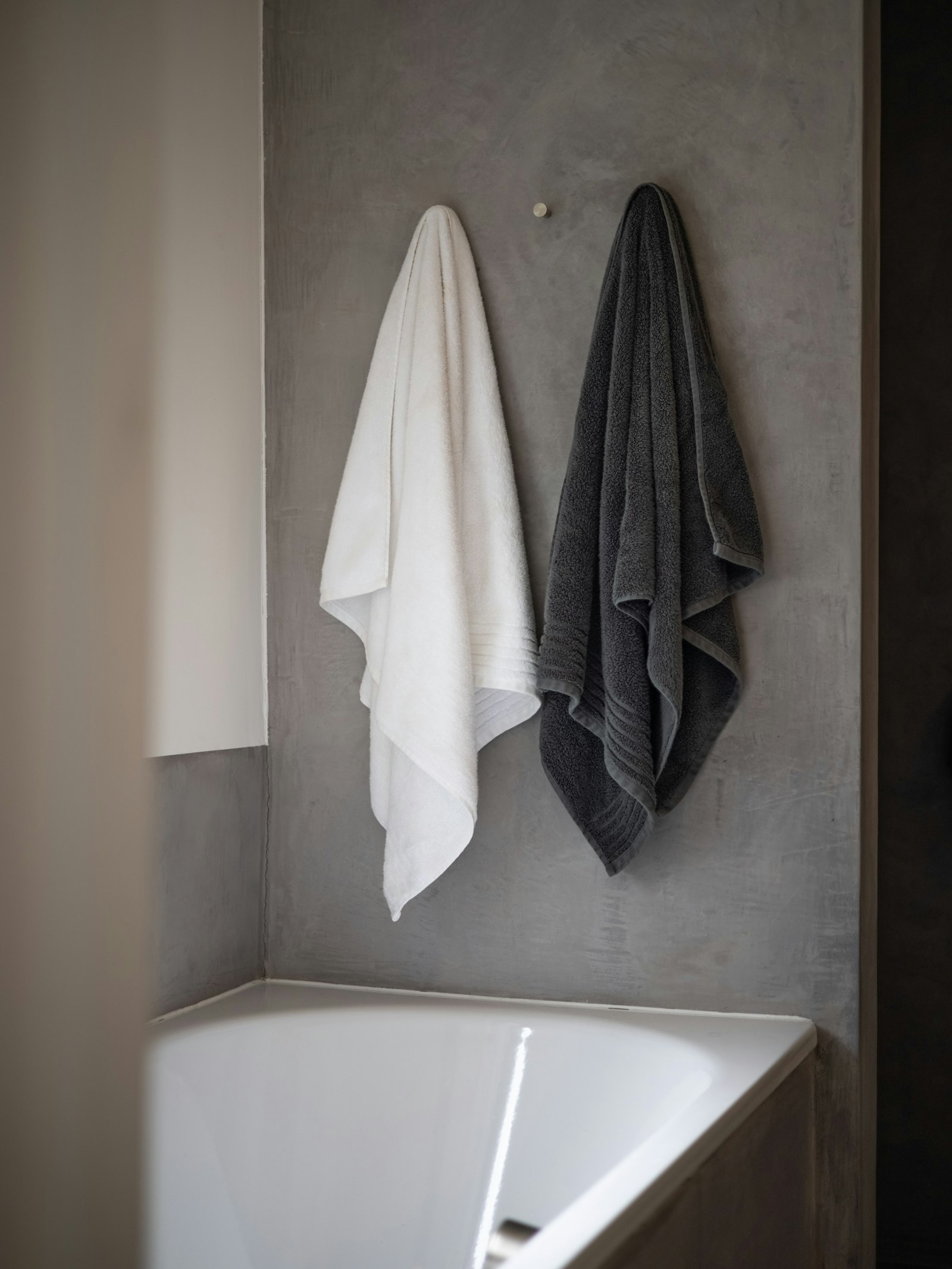
Now the honest caveat. Turkish cotton is also long-staple, also excellent, and often cheaper. Most luxury hotels don’t use Egyptian cotton robes at all; they buy Turkish or combed cotton because it survives industrial laundering at a sane price. If your robe budget stops at $60, a good Turkish terry robe will serve you well and I’d rather you buy an honest Turkish robe than a fake Egyptian one. The full comparison lives in our Turkish vs Egyptian cotton guide. Where Egyptian cotton earns its premium is at the top end: maximum softness, maximum loop density, and the years-long durability that justifies spending more once instead of less twice.
What to Look For Before You Buy
Weight, in GSM
Robe weight works exactly like towel weight, measured in grams per square meter. The practical everyday range for terry robes is 400 to 500 GSM: real presence on the body, dries overnight on a hook. The 600 to 700 GSM tier is spa weight, gloriously plush but slow to dry and genuinely heavy (a wet 700 GSM robe is a workout). Waffle robes run 200 to 300 GSM. If GSM numbers are new to you, our towel GSM guide explains the whole scale in five minutes.
Terry, Waffle, or Velour
Terry is the classic looped pile, the most absorbent, and what most people mean by a proper bathrobe. Waffle is the light honeycomb weave you see at spas in warm climates; it dries fast and packs small but won’t dry you off after a soak. Velour is terry with a sheared, velvety outer face, which looks expensive and feels smooth but gives up some absorbency. My rule: terry for after the bath or shower, waffle for lounging and travel, velour for people who mostly wear the robe over pajamas.
Collar and Cut
The shawl collar is the standard for a reason: it frames the neck, holds warmth, and doubles as a hood substitute when you flip it up (kids figured this out before I did). Kimono collars are flat and lighter, better under 400 GSM. Beyond the collar, check for two deep front pockets, double belt loops so the tie sits where your waist actually is, and an inside hanging loop, the small detail that decides whether the robe lives on a hook or a floor.
The Verification Problem
Here’s the uncomfortable truth of this category: certified Egyptian cotton robes are rarer than certified towels or sheets. The Cotton Egypt Association Pyramid Mark, the only independent verification of Egyptian origin, appears on very few robes. That means most “Egyptian cotton robe” labels are brand assurance, not third-party fact. My approach in the rankings below is to say plainly which claims are certified, which are specific and credible, and which robes aren’t Egyptian cotton at all but earn their spot honestly.
Comparing the Picks
| Robe | Price | Cotton | Weight | Cut & Sizes | Claim Status |
|---|---|---|---|---|---|
| Pure Parima Plush Robe | $149 | Certified Egyptian | 500 GSM terry | Unisex, shawl collar, 2 pockets | CEA Pyramid Mark |
| Kemet Ultra Soft Robe | $129.95 | Egyptian, Nile Delta | 500 GSM zero-twist terry | Unisex S/M and L/XL, 6 colors | CEA Gold Seal license listed, OEKO-TEX |
| Abyss Super Pile Robe | $370 to $410 | Giza 70 Egyptian | 700 GSM terry | Shawl collar, made in Portugal | Named variety, decades of track record |
| Matouk Cairo Robe | $295 | Long-staple Egyptian (labelled) | Mid-weight terry | Unisex, 2 pockets, made in USA | Brand assurance, no Pyramid Mark |
| Boca Terry Men’s Shawl Robe | ~$89 | Combed cotton terry (not Egyptian) | Heavyweight terry | Men’s cut, 52” length, M/L to 2XL | Honest non-Egyptian hospitality robe |
| Brooklinen Super-Plush Robe | $118 to $139 | Aegean Turkish, zero-twist | Heavyweight terry | Unisex, shawl collar | Honest Turkish label |
The 6 Best Egyptian Cotton Bathrobes of 2026
1. Best Overall: Pure Parima Egyptian Cotton Plush Robe
Pure Parima was the first US brand fully certified by the Cotton Egypt Association, and its Plush Robe carries the Pyramid Mark, which settles the top spot for me. The Plush Robe is 100% certified Egyptian cotton at 500 GSM, right in the sweet spot where a robe feels substantial without becoming a wearable weighted blanket, with a proper shawl collar and two large functioning front pockets.
Pricing. $149 direct, against a listed MSRP of $299.99. It also floats through Nordstrom Rack and wedding registries, so deals appear.
The trade-off. One robe, one weight. If you want a heavier spa-weight robe or a waffle option, look further down the list.
Best for: Anyone who wants the certification question answered before spending real money, and buyers matching the robe to Pure Parima’s certified towels.
2. Best Value: Kemet Cotton Ultra Soft Robe
Kemet Cotton does one thing, Egyptian cotton bath goods, and the robe follows the same formula as their towels: Egyptian cotton from the Nile Delta, zero-twist construction, and pricing that undercuts everything comparable. The Ultra Soft Robe is 500 GSM zero-twist terry, which wears lighter than a velour robe of the same weight, because zero-twist yarn lofts up plush instead of packing dense. It comes in two sizes (S/M and L/XL) and six colors, more than most robes in this guide (everyone else seems to think robes only come in white).
Pricing. $129.95 on sale against a $259.95 compare-at price, with free shipping on orders over $99 and free 30-day returns on unused robes. Prices move with Kemet’s sale cycles, so check the current number.
The trade-off. Sizing. Kemet says the robe has a slightly smaller fit and suggests ordering one size up for an oversized look, and with only two sizes there’s less room to fine-tune than with a brand selling S through 2XL. On verification, Kemet’s product page now lists a Cotton Egypt Association Gold Seal license (No. 1624), which closes the gap earlier versions of this guide flagged.
Best for: The best feel-per-dollar in the category, and the obvious pick if you already own Kemet’s 600 or 700 GSM towels and want the set.
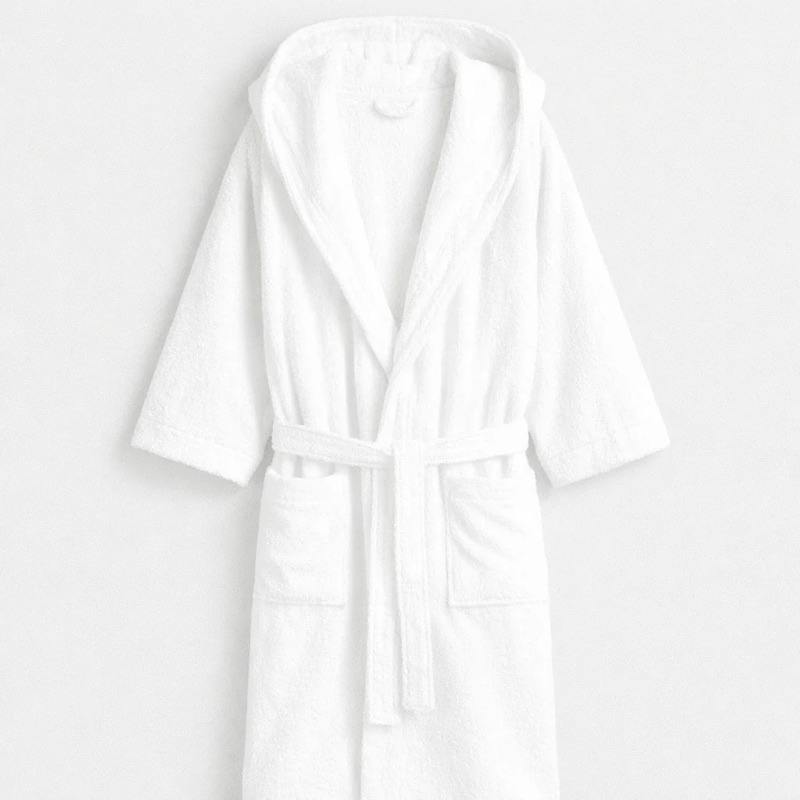
Kemet Cotton Ultra Soft Bath Robe
500 GSM zero-twist Egyptian cotton in six colors, from the same Nile Delta cotton as Kemet's Signature and Reserve towel lines. Soft from the first wear, no break-in required.
- 100% Egyptian cotton from the Nile Delta
- 500 GSM zero-twist terry
- Sizes S/M and L/XL in 6 colors
- Cotton Egypt Association Gold Seal license listed
Robe at $129.95
Check the Kemet Robe →3. Best Luxury: Abyss & Habidecor Super Pile Robe
If money is no object, this is the object. Abyss & Habidecor weaves the Super Pile Robe in Portugal from Giza 70 Egyptian cotton at 700 GSM, the same fiber and pile as their Super Pile towels, which are as close to a consensus pick as the luxury towel world has. This is the full spa-weight experience: dense, heavy, absurdly soft, the robe equivalent of a very good hug.
Pricing. Roughly $370 to $410 depending on the retailer and color. Abyss makes it in their trademark rainbow of shades through linen specialists.
The trade-off. The price, obviously, and the weight. A 700 GSM robe takes real time to dry between uses and is warm enough that summer wear becomes a commitment. No Pyramid Mark, but Abyss names the exact cotton variety (Giza 70) and has decades of luxury production behind the claim.
Best for: The forever robe. Buyers who already know they love heavyweight terry and want the best version of it made anywhere.
4. Best American-Made: Matouk Cairo Robe
Matouk cuts and sews the Cairo Robe in the USA from plush long-staple cotton terry woven in Portugal, matching their Cairo bath towel line. It’s a unisex robe with two front pockets and the tailored, piped-edge look Matouk is known for, the robe you’d expect to find in a well-run guest suite. Construction quality is the argument here: Matouk is a family-owned American operation with genuinely rare domestic manufacturing.
Pricing. $295 direct and through specialty linen retailers. The matching Milagro Robe, Matouk’s zero-twist Turkish line, runs $185 if you want the Matouk finish at a lower entry point.
The trade-off. Matouk’s Egyptian cotton designation across the Cairo line is brand assurance without the Pyramid Mark, the same gap we flag in our Matouk towels review. Credible supply chain, no independent verification.
Best for: Buyers who value American manufacturing and want a robe that matches a full Matouk bath.
5. Best for Men: Boca Terry Men’s Terry Shawl Robe
Boca Terry is a hospitality supplier first, the company behind the robes at plenty of hotels and spas, and their men’s shawl collar robe is the rare robe actually built to male proportions: 52 inches long, so it lands at the calf instead of the knee, with 22 inch sleeves, deep front pockets, and double belt loops. Sizes run M/L through 2XL for big and tall builds.
Pricing. Around $89 at retail, often less through Amazon.
The trade-off. Honesty time: this specific robe is 100% combed cotton terry, not Egyptian cotton. Boca Terry does market Egyptian cotton lines, but those claims carry no Pyramid Mark, so I’d rather recommend their straightforward combed cotton workhorse than an unverified premium label. What you’re buying is construction that survives commercial laundry cycles, which is its own kind of quality.
Best for: Men who are tired of “unisex” robes that fit like a mistake. More on fit in the men’s section below.
6. Best Turkish Alternative: Brooklinen Super-Plush Robe
Not Egyptian cotton, and Brooklinen never pretends otherwise, which is exactly why it’s here. The Super-Plush Robe uses the same heavyweight zero-twist Aegean Turkish cotton as their Super-Plush towels, in a unisex shawl-collar cut. If you read the Turkish caveat earlier and thought “that’s me,” this is the robe I’d point you to before any unverified Egyptian label at the same price.
Pricing. $118 to $139 depending on sales, with a shorter Shorty version for less.
The trade-off. It’s plush and heavy, so drying time is real, and hot sleepers may find it too warm outside winter.
Best for: Buyers who want honest heavyweight luxury and already like Brooklinen’s towels.
Best Egyptian Cotton Robes for Men
The men’s robe search deserves more than a “same list, but for him” paragraph, because most robes labelled unisex are drafted on a women’s block and simply sized up. If the robes you’ve owned always felt short, tight in the shoulders, or belted at the wrong height, that’s why. Here’s what actually matters:
Length. Look for 48 to 52 inches shoulder to hem. That reads as mid-calf on a man of average height and keeps you decent when you answer the door. Most unisex robes run 45 to 48 inches, which is knee-length or shorter on anyone over five foot ten. The Boca Terry men’s robe at 52 inches is the benchmark here.
Shoulders and sleeves. A robe that fits male shoulders needs width across the back and 20 to 22 inch sleeves that reach the wrist without pulling when you reach for the coffee. Sleeves too long? They should cuff cleanly, which cheap robes with skimpy sleeve fabric can’t do.
Belt loops. Men’s waists sit lower than where most unisex robes anchor the belt. Double belt loops, two heights of loop on each side, solve it completely. It’s a two-cent detail that separates robes designed by people who wear them from robes designed on a spreadsheet.
Pockets. Deep enough for a phone. That’s the test. Shallow decorative pockets are the number one complaint in men’s robe reviews for a reason.
The picks, ranked for men specifically: the Boca Terry men’s shawl robe for a true men’s cut at a fair price; the Kemet Ultra Soft Robe sized up one for a genuine Egyptian cotton option with real length and weight (the navy and deep grey colorways help it not read as borrowed); and the Abyss Super Pile for the man who wants the heavyweight version of the best. If he’s the gift recipient and you’re unsure on fit, the Kemet 30-day guarantee makes it the low-risk choice.
The Robe Is Half the Ritual
Nobody buys a great robe to hang it next to tired towels. The robe and the towels do the same job in sequence, and the difference between a nice bathroom and a hotel-feeling one is usually that the textiles agree with each other in weight and color.
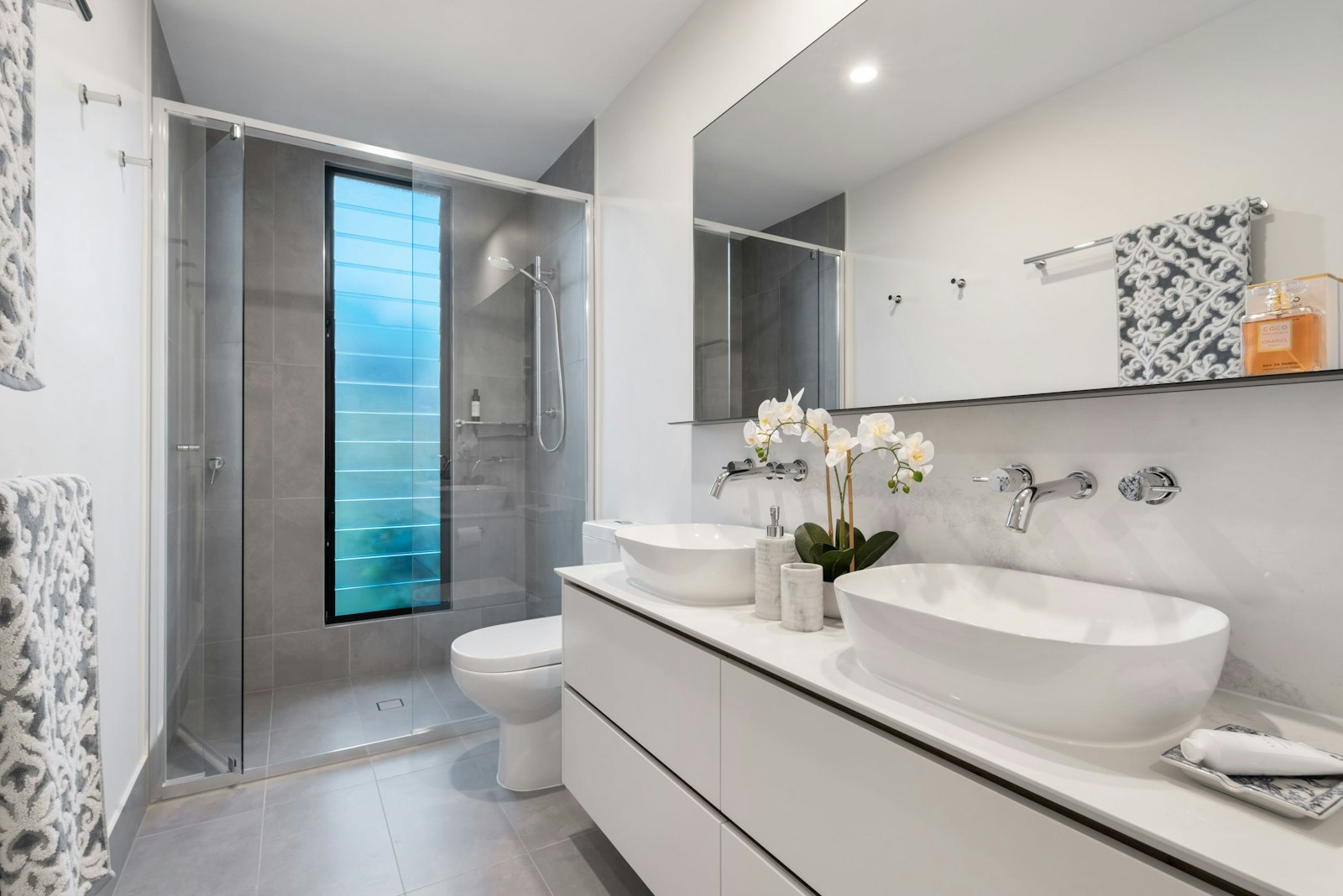
If you’re starting the upgrade from scratch, I’d actually buy the towels first, they get more use, then match the robe to them. Our best luxury bath towels guide covers the top end of that market, and several picks pair directly with robes on this page: Kemet’s robe matches their 600 and 700 GSM towel lines, Pure Parima’s robe matches their certified towels, and the Abyss Super Pile robe and towels are literally the same pile. For the full certified landscape, the best Egyptian cotton towels pillar is the deeper dive.
How to Care for an Egyptian Cotton Robe
A robe is the easiest textile in the house to ruin slowly, because it’s tempting to wash it hot and soften it into oblivion. The rules that protect it:
Wash warm, not hot. 40 degrees Celsius maximum. Hot water stresses the loop structure over time.
Skip fabric softener entirely. It coats the terry loops and quietly destroys absorbency. If the robe feels stiff, half a cup of white vinegar in the rinse cycle restores softness without the coating.
Wash with similar weights. A heavyweight robe in a mixed load beats up lighter items and dries unevenly. I run robes with the towels.
Tumble dry low or medium, or hang dry. High heat is the fastest way to age cotton. Make sure a hung robe dries fully between uses, especially the 600+ GSM picks; a robe that never quite dries is where mustiness starts.
Wash it more than you think. A daily robe should hit the laundry weekly, or every three to four wears. It’s absorbing water and skin oils like a towel, because it is one.
The full technique, including how to strip a musty robe back to fresh, is in our Egyptian cotton washing guide. Treated this way, every robe on this list should give you four to seven years.
The Bottom Line
If you want the certification question settled, buy the Pure Parima Plush Robe at $149. If you want the most Egyptian cotton robe for the money, the Kemet Ultra Soft Robe at $129.95 is the value play, with free 30-day returns if it doesn’t suit you. The Abyss Super Pile is the forever splurge, and men who want a robe cut for actual men should go straight to Boca Terry.
And whichever robe wins, give it towels that match. The morning ritual is a set, not a solo. Start with the best luxury bath towels and build from there.
Related Reading
- Hotel Bath Robes Guide (What Hotels Actually Use)
- Marriott Terry Bathrobe Review: Who Makes It + Where to Buy
- Monarch Cypress Robe Review: The Hotel Robe Supplier, Rated
- Best Egyptian Cotton Robes: Ranked
- Turkish vs Egyptian Cotton
- Towel GSM Explained
- What Is Egyptian Cotton?
- Best Egyptian Cotton Towels (Pillar Guide)
Get our reviews first on Google
Add Cotton With Love as a preferred source and Google will show you more of our towel and sheet reviews.
Add Cotton With Love as a preferred source on GoogleAdd us as a preferred source on Google
See more of our towel and sheet reviews in your Google results.
Frequently Asked Questions
Are Egyptian cotton robes worth it?
For daily use, yes. Egyptian cotton's extra-long staple fibers produce finer, stronger terry loops, which means a robe that absorbs faster, feels softer against bare skin, and holds its structure through years of washing. A $100 to $150 Egyptian cotton robe used every morning costs pennies per wear. For occasional weekend use, a $50 Turkish cotton robe delivers most of the comfort, and there's no shame in that choice.
What GSM is best for a bathrobe?
For terry robes, 400 to 500 GSM is the practical everyday range: substantial enough to feel like a real robe, light enough to dry between uses. The 600 to 700 GSM tier is spa weight, noticeably plusher but slower to dry and heavier on your shoulders. Waffle robes run much lighter, around 200 to 300 GSM, which suits warm climates and post-shower wear.
What's the difference between terry and waffle robes?
Terry robes use looped pile like a bath towel, so they're thicker, warmer, and more absorbent. Waffle robes use a textured honeycomb weave that's lighter, faster drying, and cooler to wear. For drying off after a bath or shower, terry wins. For lounging, travel, or humid climates, waffle is usually the more comfortable pick. Velour robes add a sheared, velvety face over terry, trading some absorbency for looks.
What robe length should men buy?
Most men are happiest in a 48 to 52 inch robe, measured shoulder to hem, which lands around mid-calf on a man of average height. Anything under 45 inches tends to sit above the knee and feels skimpy. Check sleeve length too: 20 to 22 inch sleeves cover the forearm properly and can be cuffed. Taller men should look for brands that publish actual garment lengths rather than just S through XL labels.
How do you wash an Egyptian cotton robe?
Wash warm, 40 degrees Celsius maximum, with a mild detergent and no fabric softener. Softener coats the terry loops and slowly kills absorbency. Tumble dry on low or medium, or hang dry in a ventilated spot. If the robe starts feeling stiff or smelling musty, run a rinse cycle with half a cup of white vinegar. Cared for this way, a quality robe lasts four to seven years.
How can you tell if a robe is really Egyptian cotton?
Look for specificity. Brands using genuine Egyptian cotton usually name the variety (Giza) or the growing region (Nile Delta), and the gold standard is the Cotton Egypt Association Pyramid Mark, though very few robes carry it. Be skeptical of a $30 robe labelled Egyptian cotton: real extra-long staple cotton has a price floor, and robes use a lot of fabric. Vague labels at bargain prices are the classic red flag.
Do luxury hotels use Egyptian cotton robes?
Mostly no. Hotels typically buy combed cotton or Turkish cotton robes in terry, velour, or waffle weaves from hospitality suppliers, because those survive industrial laundering at a workable price. Egyptian cotton robes are more common in high-end spas and in home use, where nobody is washing the robe two hundred times a year. That's why buying the robe hotels use and buying the best robe are two different questions.