MagicLinen Review: Is the Lithuanian Linen Brand Worth It?
The Short Version
MagicLinen is legit. It is a family-run Lithuanian brand that sells exactly what it says it sells: stonewashed European flax linen, sewn in Vilnius, OEKO-TEX certified, at prices that are fair for European-made linen without being cheap. We already reviewed their linen towels on our brand page and rated the company Recommended. This guide goes deeper on the bedding, the pricing, and the question most reviews skip: whether linen is actually the right fiber for you in the first place.
Because here is what eight years of checking textile shipments against purchase orders taught me. Most disappointed customers didn’t buy a bad product. They bought the wrong product, accurately described, without reading the description. MagicLinen’s returns and complaints follow that pattern almost perfectly.
Who MagicLinen Actually Is
MagicLinen was founded in 2016 by Vita Murauskiene in Vilnius, Lithuania, and it remains family-run. The company started as a small linen workshop selling through Etsy and grew into a proper direct-to-consumer operation shipping to more than 150 countries. The products are still cut and sewn in-house in Vilnius.
The Lithuanian location matters more than it might seem. Lithuania has a linen weaving tradition going back centuries, and it sits next door to the flax belt of northern Europe, where France, Belgium, and the Netherlands grow the world’s best flax. Short supply chain, established regional expertise, raw material grown a truck ride away. When I audit a sourcing story, this is what a plausible one looks like. Compare that with brands selling “European linen” sewn on another continent from fiber of unstated origin, and the difference is obvious.
The made-to-order model is the other structural point. MagicLinen produces your item after you order it rather than holding deep warehouse stock. That has consequences, some good (less deadstock, wide range of colors and custom sizes) and some you should plan around (you wait a bit longer, and returns go back to Lithuania). More on both below.
What You’re Actually Buying
The Fabric
MagicLinen’s bedding is 100% linen woven from European flax at a midweight of roughly 190 GSM. Fabric weight is the spec most linen shoppers ignore and the one that most shapes the experience, so let me put that number in context.
Lightweight linen runs around 130 to 160 GSM. It drapes airily and feels cooler, but it can read as thin, and it is less forgiving of rough washing. Heavyweight linen at 220 GSM and up feels substantial and lasts forever, but it can be too much fabric in a warm bedroom. At 190 GSM, MagicLinen sits deliberately in the middle: enough body to feel durable and hang properly, not so much that hot sleepers suffer. For a first linen purchase, midweight is the sensible default, and I would call this spec well-chosen rather than exciting.
The fabric is stonewashed, which for MagicLinen means a mechanical softening process rather than a chemical one. This matters because raw linen is genuinely stiff. Stonewashing does part of the break-in for you, so the sheets arrive soft enough to sleep on comfortably from night one. They still soften further over months of washing, because that is what flax does.
The Sheet Sets
A MagicLinen sheet set includes a flat sheet, a fitted sheet, and two pillowcases. Fitted sheets come in two pocket depths, a regular 10 inch and a deep 18 inch, which covers most mattresses on the market. The color range is unusually wide for a natural-fiber brand, from undyed naturals through muted blues, greens, and terracottas, and the made-to-order model means custom sizing is available in a way warehouse brands cannot match.
The Towels, and One Label Detail Worth Your Attention
MagicLinen also sells towels, including the waffle line that gets a lot of attention on social media. Here is the detail I want you to notice: the waffle bath towel is not 100% linen. It is a 53% linen, 47% cotton blend, at around $56 for a 39 by 55 inch bath towel.
Is that a scandal? No, the opposite. The blend is a reasonable engineering choice (cotton adds absorbency and loft to the waffle structure), and MagicLinen states the fiber content plainly on the product page. I have spent a career watching brands whisper their fiber percentages in a footnote or omit them entirely. A brand that volunteers “53% linen, 47% cotton” when “waffle linen towel” would sell just as well is a brand that has decided honesty is policy. That is the single strongest legitimacy signal I found in this entire review.
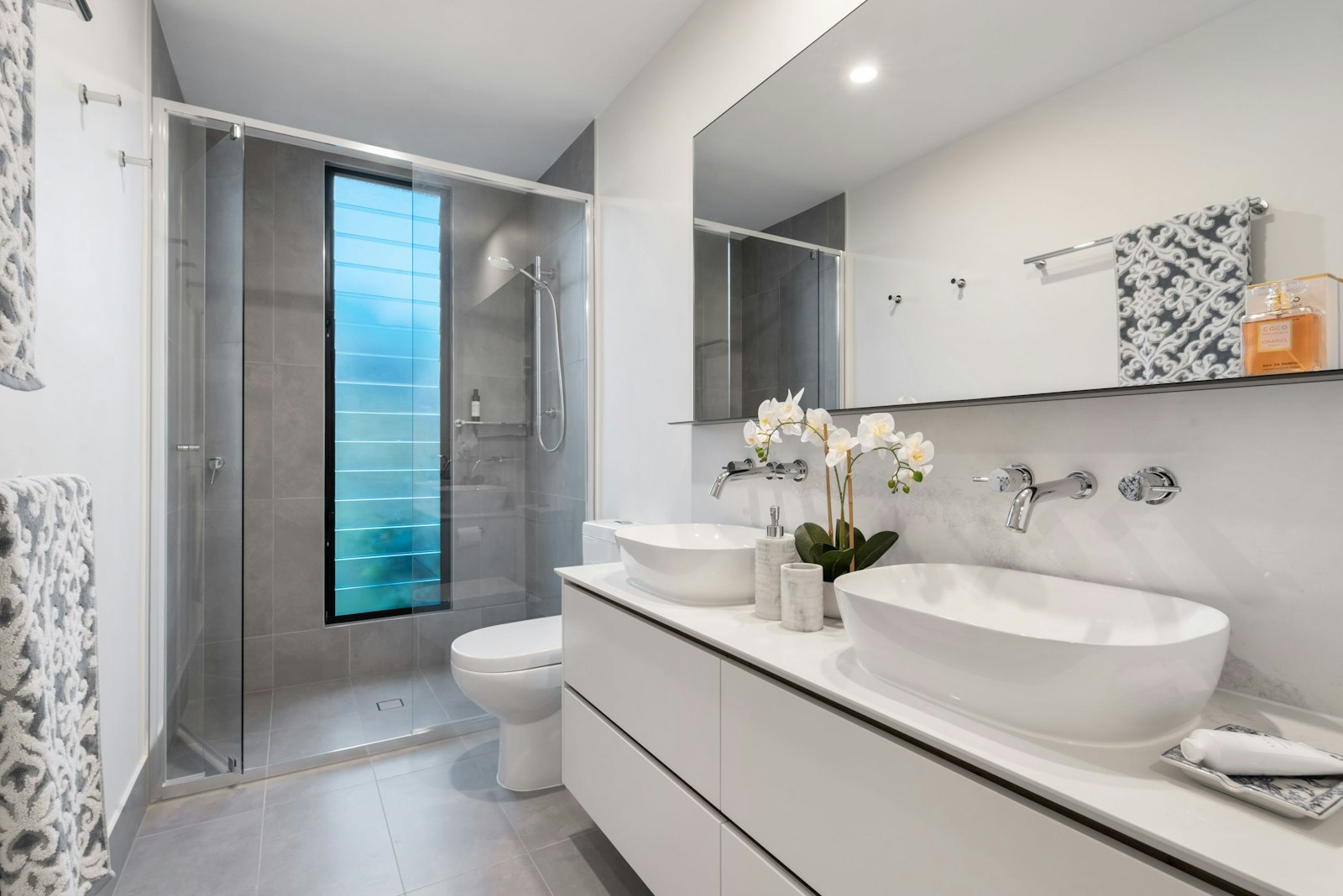
Just know what you are buying. A linen or linen-blend waffle towel dries fast, resists mildew, and lightly exfoliates. It will never wrap you in the dense, plush pile of a proper cotton terry towel, and it is not trying to.
The Certification Check
This is the part of every review where I put on the auditor hat, so let me be precise about what is verified and what is claimed.
Verified: OEKO-TEX Standard 100. MagicLinen’s fabric carries OEKO-TEX Standard 100 certification, which means the finished textile has been laboratory tested for harmful chemical residues. For linen this is genuinely meaningful, because flax processing involves retting agents, and dyeing and finishing can involve compounds you do not want against your skin for eight hours a night. OEKO-TEX confirms none of that survives into the finished product.
Claimed, and plausible: European flax origin. OEKO-TEX tests chemistry, not geography. It does not certify where the flax was grown. MagicLinen does not currently advertise the European Flax or Masters of Linen origin certifications, so the “European flax” statement is a brand claim rather than a third-party verified one. That said, the claim passes every consistency check I can run against it: Lithuanian production sits inside the established European flax supply chain, the pricing is consistent with European fiber, and the fabric behavior customers describe matches quality long-line flax. On our scale, that is a credible claim from an honest labeler, not a red flag. It is the same standard we apply to Egyptian cotton brands: certification is the gold standard, but specific and consistent claims count for something.
If you want to see how we run this exact playbook on cotton, our guide to what Egyptian cotton actually is covers the fiber science and the verification problem in that market, which is considerably messier than linen’s.
What MagicLinen Costs, and the Sale Question
Current US pricing, checked August 2026:
- Queen sheet set (flat, fitted, two pillowcases): roughly $290 to $315 on sale, against list prices of $374 to $450 depending on color and pattern
- Duvet covers: roughly $174 to $286 depending on size
- Waffle bath towel: around $56
- Waffle throw blanket: around $70
Note the phrase “on sale.” MagicLinen runs promotions frequently, including sitewide events at 20 to 30% off. When a discount is available most weeks of the year, the sale price is the real price and the list price is an anchor. This is standard practice across direct-to-consumer bedding and I am not singling MagicLinen out, but you should never pay list here. If there is no promotion running when you look, wait a week.
Here is how that real-world queen price compares with the linen sets we track, plus one Egyptian cotton reference point so you can see what the same money buys in the other fiber.
| Brand | Queen set price | Fabric | Weight | Certification | Character |
|---|---|---|---|---|---|
| MagicLinen | ~$290 to $315 (sale) | 100% European flax linen, stonewashed | ~190 GSM | OEKO-TEX Standard 100 | Midweight, made to order in Vilnius, widest color range |
| Quince European Linen | ~$184 | 100% European flax linen | ~150 GSM | OEKO-TEX Standard 100 | Lightest and cheapest, thinner hand feel |
| Brooklinen Washed Linen | ~$249 | 100% European flax linen, garment-washed | Not published | OEKO-TEX Standard 100 | Soft finish, easiest US returns |
| Parachute Linen | ~$359 | 100% European flax linen | Not published | OEKO-TEX Standard 100 | Premium positioning, similar fabric story |
| Kemet Cotton Egyptian Sateen (cotton reference) | From $149.95 | Extra-long staple Giza cotton, 600 TC sateen | n/a (woven, not GSM-rated) | OEKO-TEX, brand-stated Giza sourcing | Smooth and polished, the opposite aesthetic |
Two things jump out of that table. First, within linen, MagicLinen’s premium over Quince buys you real substance: about 40 extra grams per square metre of fabric, in-house European sewing, and a color and sizing range nobody else matches. Whether that is worth roughly $110 to you is a fair personal question, but the money is buying something identifiable, which is all I ever ask of a price.
Second, the cotton row. A quality Egyptian cotton sateen set costs half of what MagicLinen charges. That is not because linen brands are greedy. Flax is genuinely more expensive to grow, process, and weave than cotton, and European labor costs are what they are. But it means the “linen or cotton” decision is also a $150 decision, which is one more reason to make it deliberately rather than by mood board.
The Honest Trade-Offs
MagicLinen is a good brand. Linen itself, however, comes with non-negotiable characteristics, and this is where I see buyers get burned. None of the following is a MagicLinen flaw. All of it is flax.
Wrinkles are permanent residents. Flax fiber has low elasticity and does not bounce back after crumpling. Your linen bed will look relaxed and rumpled every day of its life. The stonewashed aesthetic makes this deliberate, and on the right bed it looks wonderful. But if your mental image of a well-made bed involves crisp, flat, hotel-style surfaces, you want cotton percale, and no linen brand on earth will make you happy.
Texture is the product. Even stonewashed, 190 GSM linen has a dry, textured, slightly slubby hand feel. It continues softening for months and eventually develops a drape that linen devotees consider the best fabric feel there is. It never becomes smooth. People with sensitive skin, or anyone who has ever flipped a pillow because the surface felt scratchy against their face, should think hard here.
Weight is a preference, not a spec race. Some sleepers love the substantial, slightly heavy hang of midweight linen. Others, particularly hot sleepers in humid climates, prefer a lighter fabric even at the cost of durability. If you run hot, it is worth reading our guide to the best sheets for hot sleepers before defaulting to the heaviest, most premium-sounding option. Breathability comes from the fiber and weave, not from paying more.
The reviews tell the real story. MagicLinen holds around four stars on Trustpilot, and its on-site review count runs past 15,000 with a near-perfect average. As always, weight the independent platform over the brand’s own widget. The complaint pattern on the independent side is consistent and modest: occasional slow customer service responses, and friction around returns. Which brings us to the structural issue.
Made to Order: The Shipping and Returns Fine Print
The made-to-order model is central to what MagicLinen is, so treat these as terms of the deal rather than surprises.
Shipping is decent, not instant. Your order is sewn after you place it, then dispatched from Lithuania. US customers commonly report delivery within five to ten business days, and a good number see packages inside a week, which is honestly quicker than “made to order in Europe” sounds. But if you need guest bedding by Saturday, this is not the brand for that errand.
Returns cross an ocean. MagicLinen offers a 30-day return window, unused and in original packaging. In practice, returning goods to Lithuania involves international postage and more patience than sending a box back to a domestic warehouse, and this is where most of the negative reviews cluster. The cheapest return is the one you never make: confirm your mattress depth, look at the actual GSM, and be honest with yourself about the texture question before ordering. If risk-free trial periods and painless returns are what you value most, a US-warehoused brand like Brooklinen will suit you better even if the fabric story is less charming.
Linen or Egyptian Cotton? The Decision That Actually Matters
Most people researching “MagicLinen review” are actually asking a bigger question: should my next sheets be linen at all? We wrote a full Egyptian cotton vs linen comparison on exactly this, but here is the working summary.
Buy linen (and MagicLinen is a sound place to buy it) if: you want the best year-round temperature regulation of any natural fiber, you actively like a textured, lived-in fabric feel, the rumpled European aesthetic appeals to you, and you are happy paying more up front for a fabric that can outlast a mortgage. Linen is roughly 30% stronger than cotton fiber for fiber, and a well-made set can serve for twenty years.
Buy Egyptian cotton if: you want smoothness against your skin from the very first night, you prefer a polished bed that looks made when you make it, you want a genuinely premium natural fiber at a lower price point, or you have tried linen’s texture and quietly hated it. There is no shame in that. Roughly half the people who go through a linen phase end up back on cotton, and the smart ones end up on better cotton than they left. Our Egyptian cotton sheets buying guide covers how to buy it without falling for fake thread counts, and our ranked list of the best Egyptian cotton sheets does the shortlisting for you.
If you have read this far and realized that “soft and smooth” matters more to you than “textured and breathable,” the set I would point you to is Kemet Cotton’s Egyptian sateen. It is the inverse of everything linen: 600 thread count, extra-long staple Giza cotton, glassy-smooth surface, at half the price of a MagicLinen queen set.
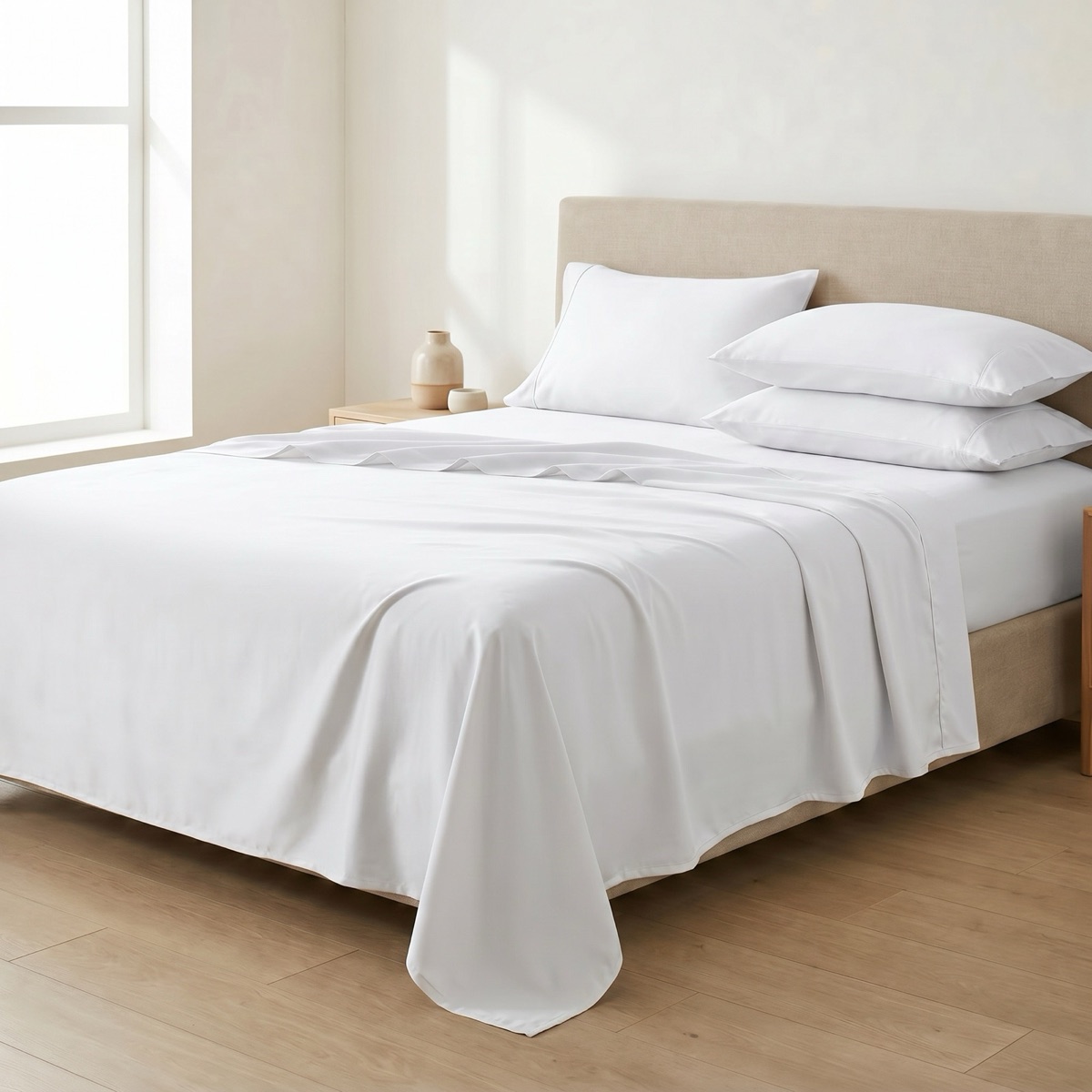
Kemet Cotton Egyptian Sateen Sheet Set
If linen's texture isn't for you, this is the smooth-side pick: 600 thread count Egyptian sateen in extra-long staple Giza cotton, polished where linen is rumpled, at roughly half the price of a MagicLinen queen set.
- 600 thread count sateen weave
- Extra-long staple Giza cotton
- Deep 16-inch pockets
- 30-day money-back guarantee
Sets from $149.95
Shop Kemet Sheets →🏆 Decided smooth beats textured? Start here: Best Egyptian Cotton Sheets of 2026 →
And if you cannot choose, the two-set answer is legitimate: cotton for the fitted sheet and pillowcases where smoothness against skin matters most, linen for the flat sheet or duvet cover where breathability and drape do the work. Plenty of people who love both fibers land exactly there.
The Verdict
MagicLinen earns its Recommended rating. The company tells the truth about its materials, holds a certification that means something, sews its own products in a place with a genuine claim to linen expertise, and prices its work fairly for what it is. The waffle towel fiber label alone tells you more about this company’s character than most brands’ entire About pages. In a market where I spend my working life catching brands saying one thing and shipping another, that is not faint praise.
The caveats are the fiber’s, not the brand’s. Linen wrinkles, linen has texture, linen costs roughly double what equivalent-quality Egyptian cotton costs, and returns to Lithuania are a chore. Go in understanding all four and MagicLinen is one of the most trustworthy ways to buy linen bedding online. Go in expecting the smoothness of a fine sateen and you will be writing one of those one-star reviews about a product that did exactly what it said on the label.
Know which sleeper you are before you spend the $300. That is the entire game.
Get our reviews first on Google
Add Cotton With Love as a preferred source and Google will show you more of our towel and sheet reviews.
Add Cotton With Love as a preferred source on GoogleAdd us as a preferred source on Google
See more of our towel and sheet reviews in your Google results.
Frequently Asked Questions
Is MagicLinen legit?
Yes. MagicLinen is a family-run Lithuanian company founded in 2016, based in Vilnius, that sews its products in-house from European flax linen. The fabric is OEKO-TEX Standard 100 certified, the material labeling is accurate, and the brand has years of consistent customer feedback across independent platforms. My checks found no misleading fiber claims, which is rarer in bedding than it should be.
Where is MagicLinen made?
MagicLinen products are cut and sewn in Vilnius, Lithuania, from flax grown primarily in France, Belgium, and the Netherlands. Lithuania has a centuries-old linen textile tradition and sits close to Europe's main flax-growing belt, which keeps the supply chain short. Orders ship worldwide from Lithuania, and most US deliveries arrive within five to ten business days after the item is made.
Is MagicLinen real linen?
The core bedding is 100% European flax linen at a midweight of roughly 190 GSM, stonewashed for softness. One detail worth knowing: the waffle bath towels are a 53% linen, 47% cotton blend. MagicLinen states this plainly on the product page rather than burying it, which is exactly the behavior you want from a brand. Read the fiber line on any product before buying, here and everywhere else.
How much do MagicLinen sheets cost?
A queen sheet set (flat sheet, fitted sheet, two pillowcases) typically sells for around $290 to $315 during the brand's frequent sales, against list prices of roughly $374 to $450. Duvet covers run about $174 to $286 depending on size, and waffle bath towels are around $56. That puts MagicLinen above Quince and Brooklinen for linen, below Parachute, and roughly double a quality Egyptian cotton set.
Do linen sheets sleep cooler than cotton?
Linen regulates temperature in both directions. Hollow flax fibers wick up to 20% of their weight in moisture before feeling damp, which keeps you cool in summer, and the same fibers trap insulating air in winter. In peak heat, linen has a slight edge over cotton. A good Egyptian cotton percale comes close on coolness while feeling much smoother, so hot sleepers have two genuinely good options.
Do MagicLinen sheets wrinkle?
Yes, and they always will. Flax fiber has low elasticity, so it does not spring back after being crumpled. This is a property of the plant, not a defect in MagicLinen's fabric. The stonewashed finish leans into it, giving the sheets a relaxed, rumpled look that is the whole point of linen bedding. If wrinkles will bother you every time you walk past the bed, linen is the wrong fiber for you.
How long does MagicLinen take to ship?
MagicLinen works on a made-to-order model, so your item is produced after you order it. Once dispatched from Lithuania, delivery to the US commonly takes five to ten business days, and plenty of customers report packages arriving within a week. It is slower than domestic warehouse brands, but faster than the made-to-order label suggests. Factor it in if you need bedding by a specific date.
Should I buy linen or Egyptian cotton sheets?
Choose linen if you want maximum temperature regulation, a textured and casual bed aesthetic, and durability measured in decades. Choose Egyptian cotton if you want smoothness from the first night, a polished look, and a lower price for equivalent quality. Neither is a compromise. The honest question is whether you like the feel of texture against your skin, because no amount of stonewashing turns flax into sateen.